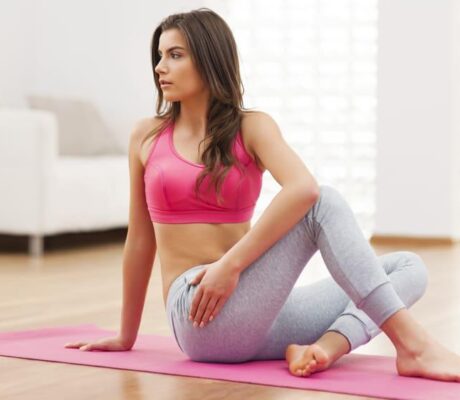
Yoga is more than just stretching—it’s a powerful practice that connects the body, mind, and breath. One of the most common questions beginners and even experienced practitioners ask is: How long should you hold a yoga pose? The answer isn’t one-size-fits-all. The ideal duration depends on your goals, experience level, and the type of yoga you practice.
In this comprehensive, SEO-friendly guide, we’ll explore how long to hold yoga poses, the factors that influence timing, the benefits of holding poses longer, and practical guidelines to help you build a safe and effective yoga routine.
Why Holding a Yoga Pose Matters
Holding a yoga pose—also known as an asana—allows your body to engage muscles, improve flexibility, and develop stability. It also gives your mind time to focus, promoting mindfulness and relaxation.
When you stay in a pose for a certain duration, you:
- Activate and strengthen muscles
- Improve balance and coordination
- Increase flexibility over time
- Deepen your breathing and awareness
How Long Should You Hold a Yoga Pose?
The duration of a yoga pose can vary widely depending on the style of yoga and your personal goals.
General Guidelines
- Beginners: 10–30 seconds per pose
- Intermediate practitioners: 30–60 seconds
- Advanced practitioners: 1–3 minutes or longer
For dynamic styles like Vinyasa yoga, poses may only be held for a few breaths (5–10 seconds). In slower styles like Hatha or Yin yoga, poses can be held for several minutes.

Key Factors That Determine Hold Time
1. Your Experience Level
Beginners should focus on shorter hold times to avoid strain, while advanced practitioners can safely hold poses longer.
2. Type of Yoga Practice
- Vinyasa/Flow Yoga: Short holds, continuous movement
- Hatha Yoga: Moderate hold times
- Yin Yoga: Long holds (2–5 minutes or more)
- Restorative Yoga: Extended holds with support
3. Your Fitness Goals
- Strength building: Longer holds help engage muscles
- Flexibility: Gradual, sustained holds improve range of motion
- Relaxation: Slower, longer holds calm the nervous system
4. Breath Control
Breathing plays a crucial role. Many instructors recommend holding a pose for 5–10 deep breaths rather than focusing strictly on time.
5. Physical Condition
Injuries, stiffness, or medical conditions may require shorter hold times or modified poses.
Benefits of Holding Yoga Poses Longer
1. Improved Muscle Strength
Holding poses like plank or warrior positions builds endurance and stability.
2. Increased Flexibility
Longer holds gently stretch muscles and connective tissues, improving mobility.
3. Better Mind-Body Connection
Staying in a pose encourages mindfulness and mental focus.
4. Stress Reduction
Slow, sustained poses activate the parasympathetic nervous system, helping you relax.
5. Enhanced Balance and Stability
Balancing poses become more effective when held for longer durations.
Risks of Holding Poses Too Long
While longer holds offer benefits, overdoing it can lead to:
- Muscle strain or injury
- Joint stress
- Fatigue
- Reduced form and alignment
It’s important to listen to your body and avoid pushing beyond your limits.
Best Practices for Holding Yoga Poses
Focus on Proper Alignment
Correct posture is more important than duration. Holding a pose incorrectly can lead to injury.
Use Your Breath as a Guide
Inhale deeply and exhale slowly. If your breathing becomes strained, it’s time to release the pose.
Start Slow and Progress Gradually
Increase hold time as your strength and flexibility improve.
Use Props When Needed
Blocks, straps, and cushions can help you maintain poses safely for longer durations.
Stay Consistent
Regular practice is more effective than occasional long sessions.
Sample Yoga Hold Times for Common Poses
- Mountain Pose: 30–60 seconds
- Downward Dog: 30 seconds to 1 minute
- Warrior II: 30–60 seconds
- Plank Pose: 20–60 seconds
- Child’s Pose: 1–3 minutes
These are general guidelines and can be adjusted based on your comfort level.
How Breathing Influences Hold Duration
Breathing is the foundation of yoga. Instead of counting seconds, many practitioners use breath cycles:
- 5 breaths: Short hold
- 10 breaths: متوسط hold
- 15+ breaths: Long hold
Deep breathing helps deliver oxygen to muscles and keeps your body relaxed during longer holds.
Creating a Balanced Yoga Routine
To get the most out of your practice, include a mix of:
- Short holds for movement and flow
- Medium holds for strength and balance
- Long holds for deep stretching and relaxation
This balanced approach ensures overall physical and mental benefits.
Frequently Asked Questions (Q&A)
Q1: Is it better to hold yoga poses longer?
Not always. Longer holds can improve flexibility and strength, but only if done with proper form and without strain.
Q2: How many breaths should I hold a pose?
Typically, 5–10 breaths for beginners and up to 15 breaths for advanced practitioners.
Q3: Can holding poses too long be harmful?
Yes, it can lead to muscle strain or joint stress if done incorrectly or excessively.
Q4: What is the best yoga style for longer holds?
Yin and Restorative yoga focus on longer hold times for deep relaxation and flexibility.
Q5: Should beginners try long holds?
Beginners should start with shorter durations and gradually increase as they gain strength and flexibility.
Q6: How do I know when to come out of a pose?
If you feel pain, discomfort, or lose proper alignment, it’s time to release the pose.
Q7: Does holding poses help with weight loss?
Holding poses can build muscle and improve metabolism, which may support weight management when combined with a healthy lifestyle.
Disclaimer
This content is for informational purposes only and should not be considered medical or professional fitness advice. Always consult a qualified healthcare provider or certified yoga instructor before starting any new exercise program, especially if you have existing health conditions, injuries, or concerns. Practice yoga safely and listen to your body at all times.
Conclusion
Understanding how long to hold a yoga pose is key to building a safe and effective practice. The ideal duration depends on your goals, experience, and the type of yoga you choose. By focusing on proper alignment, controlled breathing, and gradual progression, you can enjoy the full benefits of yoga without risking injury.
Whether you’re aiming to build strength, increase flexibility, or reduce stress, finding the right balance in your practice will help you achieve long-term wellness. Stay consistent, stay mindful, and let your body guide your journey.