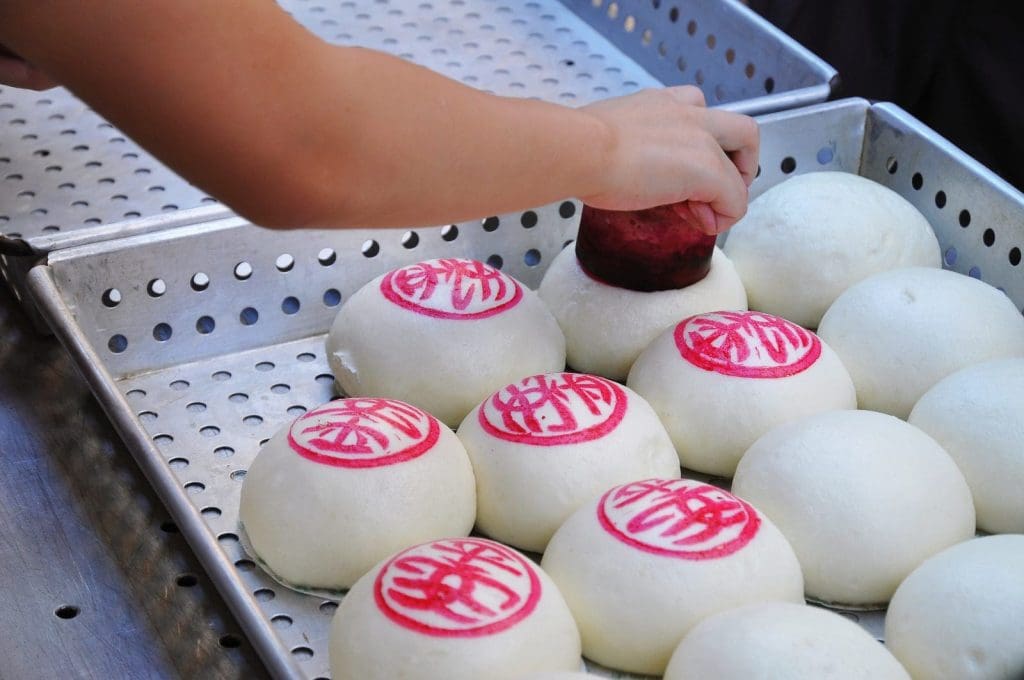
Every year, thousands of revellers pack Cheung Chau Island to witness one of Asia’s most fascinating cultural events—the Hong Kong Bun Festival. Centered around the historic Pak Tai Temple, this century-old celebration blends spirituality, folklore, and adrenaline-filled competitions. What started as a ritual to ward off evil spirits has now evolved into a globally recognized festival that attracts tourists and locals alike.
History of the Bun Festival
The origins of the Bun Festival date back over 100 years, when Cheung Chau was struck by a devastating plague. Villagers prayed to deities for protection, carrying statues through the streets to drive away evil spirits. Miraculously, the outbreak subsided, and the tradition continued as an annual thanksgiving ritual.
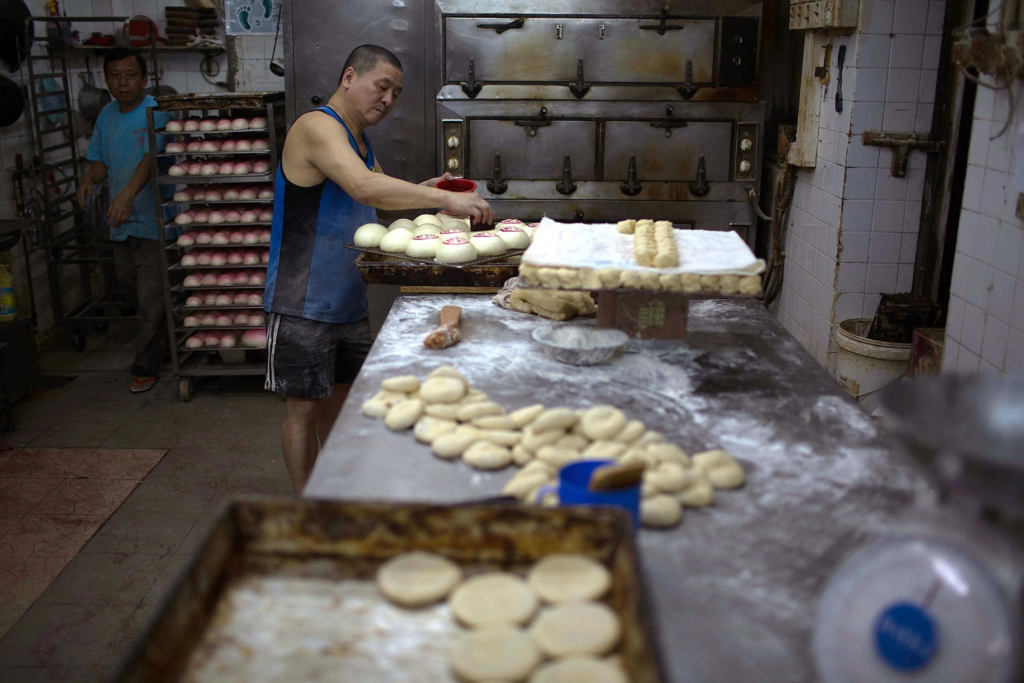
Over time, the festival incorporated Taoist ceremonies, lion dances, and the iconic bun towers—structures covered with thousands of white buns symbolizing peace and blessings.
Key Highlights of the Festival
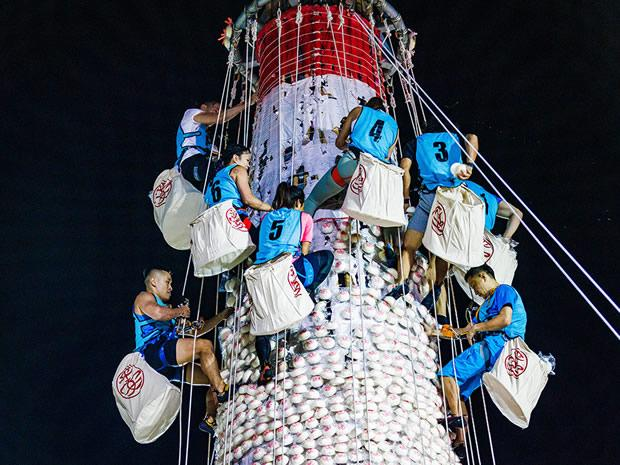
1. The Bun Scrambling Competition
The most thrilling event is the bun scrambling competition, where participants climb a tall tower covered in buns. Contestants race to collect as many buns as possible, with higher buns symbolizing greater fortune.
2. Piu Sik Parade
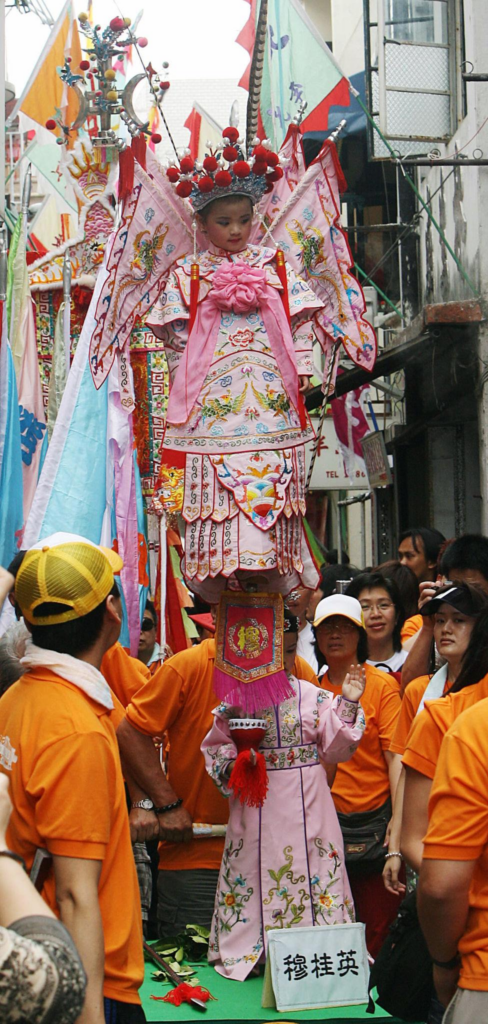
Children dressed as deities and historical figures appear to “float” above crowds in the famous Piu Sik parade. This visually stunning procession showcases Hong Kong’s creative spirit and cultural pride.
3. Religious Ceremonies
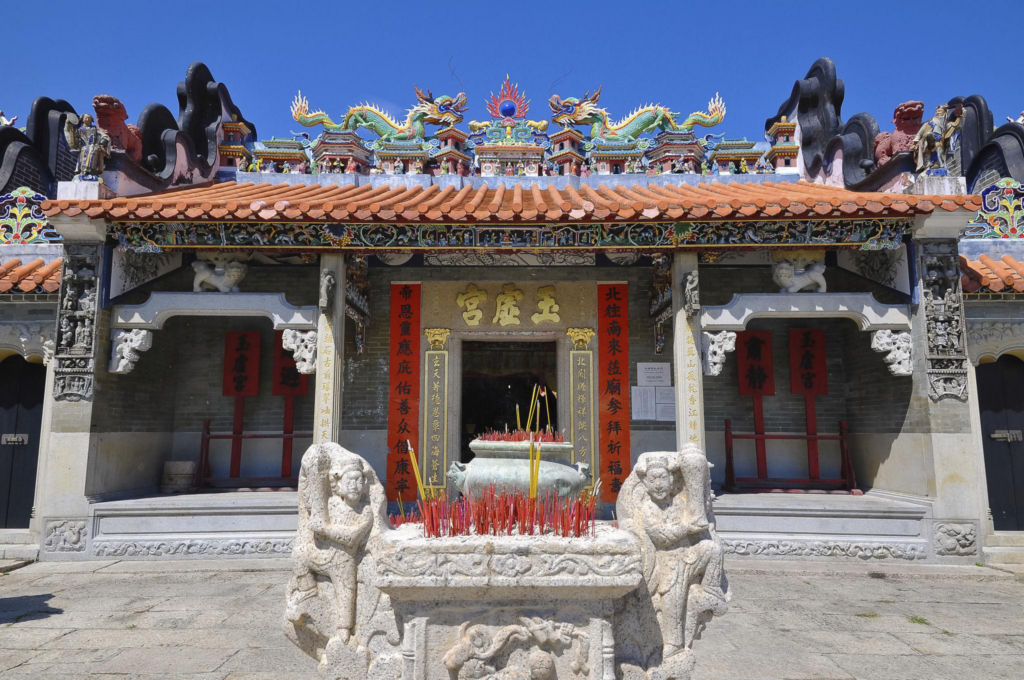
Traditional rituals at Pak Tai Temple include prayers, offerings, and chanting to honor deities and seek blessings for the community.
Why the Festival Attracts Massive Crowds
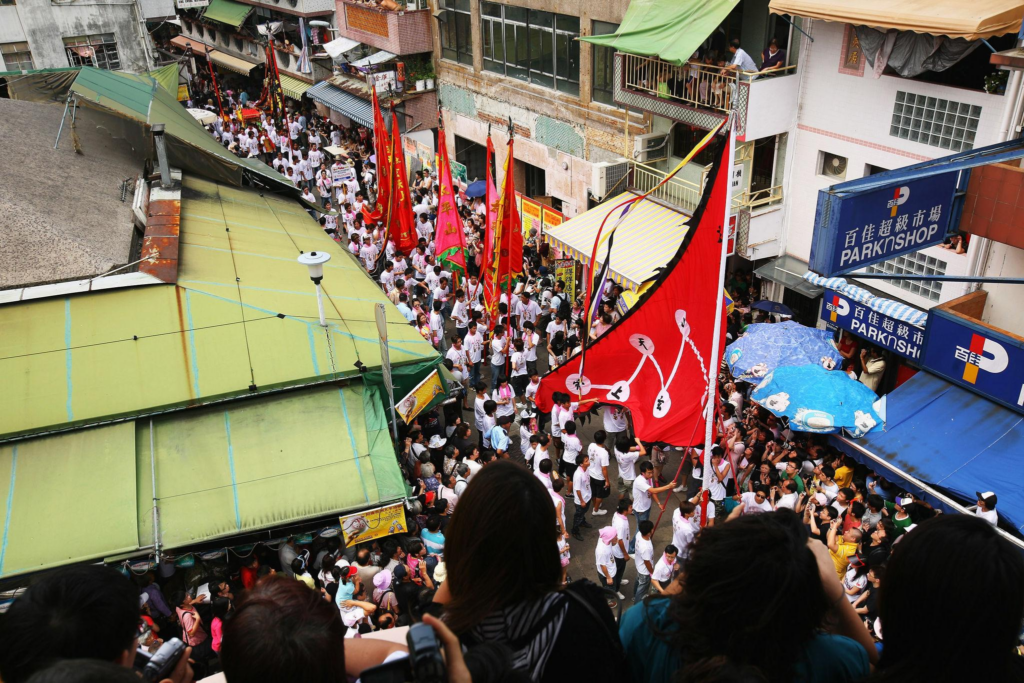
The Hong Kong Bun Festival is more than just a cultural event—it’s an immersive experience. From the aroma of freshly steamed buns to the vibrant costumes and electrifying atmosphere, visitors are drawn into a celebration that feels both ancient and modern.
Social media has also amplified its popularity, making it a must-visit event for travelers exploring Hong Kong’s cultural heritage.
Travel Tips for Visitors
- Best Time to Visit: The festival usually takes place in April or May.
- Getting There: Ferries connect Hong Kong Island to Cheung Chau regularly.
- What to Try: Don’t miss the traditional lucky buns, believed to bring good fortune.
- Stay Prepared: Expect large crowds, so arrive early and plan accommodations in advance.
Cultural Significance
The Bun Festival represents unity, faith, and resilience. It reflects Hong Kong’s ability to preserve traditions while embracing modern tourism. For locals, it’s a time of spiritual reflection; for visitors, it’s a unique cultural spectacle.
Q&A Section
Q1: What is the Hong Kong Bun Festival?
It is a traditional festival held on Cheung Chau Island featuring religious rituals, parades, and the famous bun scrambling competition.
Q2: Why are buns used in the festival?
Buns symbolize peace, prosperity, and blessings, making them central to the celebration.
Q3: Where does the festival take place?
The main events occur on Cheung Chau Island, especially around Pak Tai Temple.
Q4: Can tourists participate in the bun scrambling competition?
Participation is limited and requires training, but tourists can enjoy watching the event.
Q5: Is the festival family-friendly?
Yes, it includes parades, cultural performances, and food, making it enjoyable for all ages.
Conclusion
The Hong Kong Bun Festival is a remarkable blend of history, spirituality, and excitement. Whether you’re drawn by its cultural roots or its lively atmosphere, this century-old tradition offers an unforgettable glimpse into Hong Kong’s heritage. If you’re planning a trip, timing your visit with this festival could turn your journey into a truly unique experience.