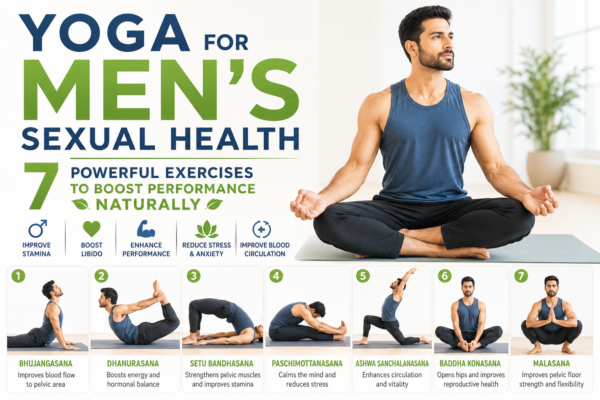
Sexual health is a vital component of overall wellness for men, yet it’s often overlooked in fitness conversations. While gym workouts build muscle, yoga offers unique benefits for sexual fitness that traditional exercise simply cannot match. From improving blood circulation to reducing performance anxiety, the ancient practice of yoga provides a holistic approach to men’s sexual wellness.
Unlike quick fixes or supplements, yoga addresses the root causes of sexual health issues—stress, poor circulation, pelvic tension, and low energy. Whether you’re looking to enhance stamina, increase libido, or simply feel more confident, these yoga exercises can transform your intimate life naturally and sustainably.
7 Yoga Exercises for Men’s Sexual Fitness
1. Cobra Pose (Bhujangasana)
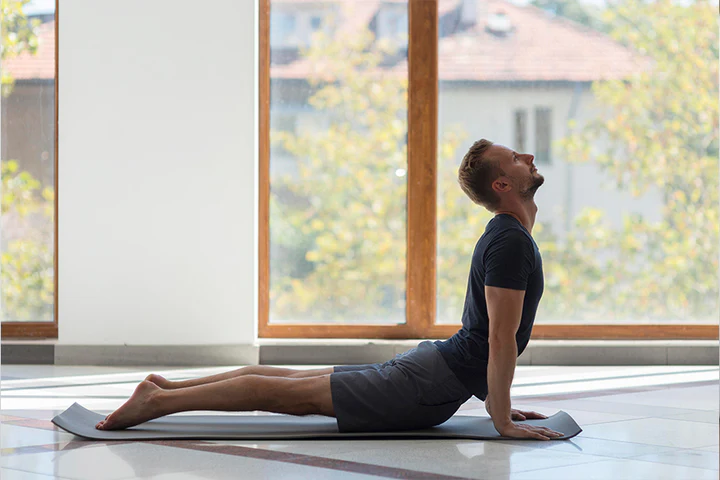
This powerful backbend opens the heart and stimulates the pelvic region. Lie on your stomach, place hands under shoulders, and lift your chest while keeping hips grounded. Cobra pose enhances blood flow to the lower abdomen and strengthens the spine, directly supporting sexual function.
Hold for 30 seconds, repeat 3 times.
2. Bridge Pose (Setu Bandhasana)
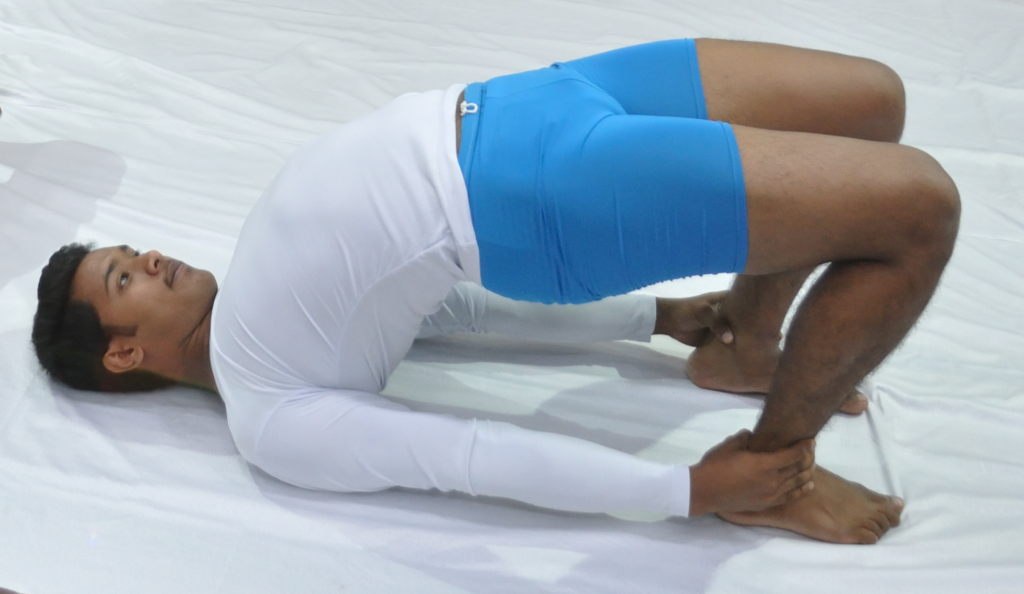
Bridge pose is exceptional for strengthening the pelvic floor muscles—crucial for sexual performance and control. Lie on your back, bend knees, and lift your hips toward the ceiling while engaging your glutes and core.
Hold for 45 seconds, repeat 4 times.
3. Butterfly Pose (Baddha Konasana)
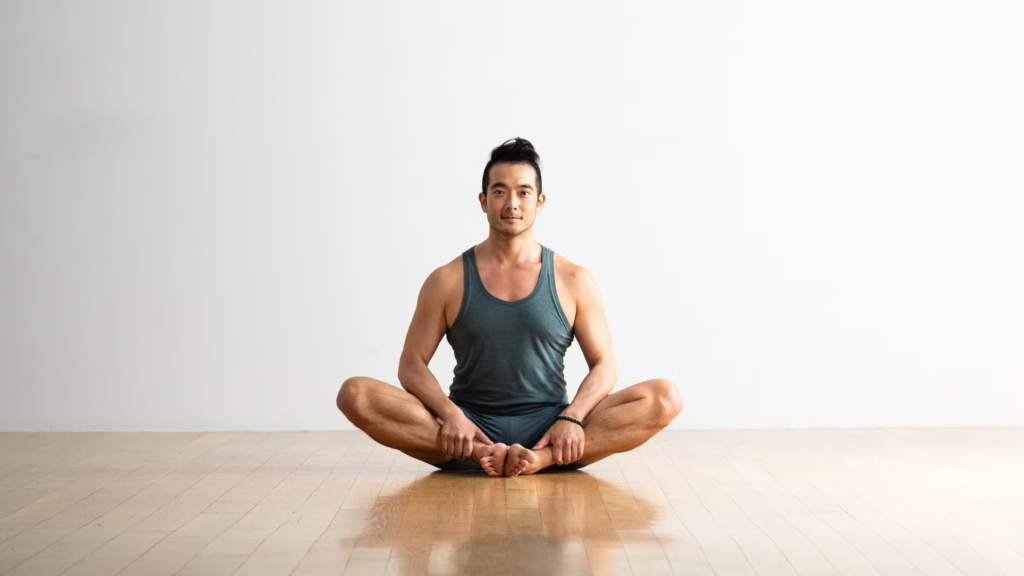
This seated pose opens the hips and groin area, releasing tension that can restrict blood flow. Bring soles of feet together and gently press knees toward the floor. Regular practice improves flexibility in the inner thighs and enhances circulation to the reproductive organs.
Hold for 1-2 minutes.
4. Boat Pose (Navasana)
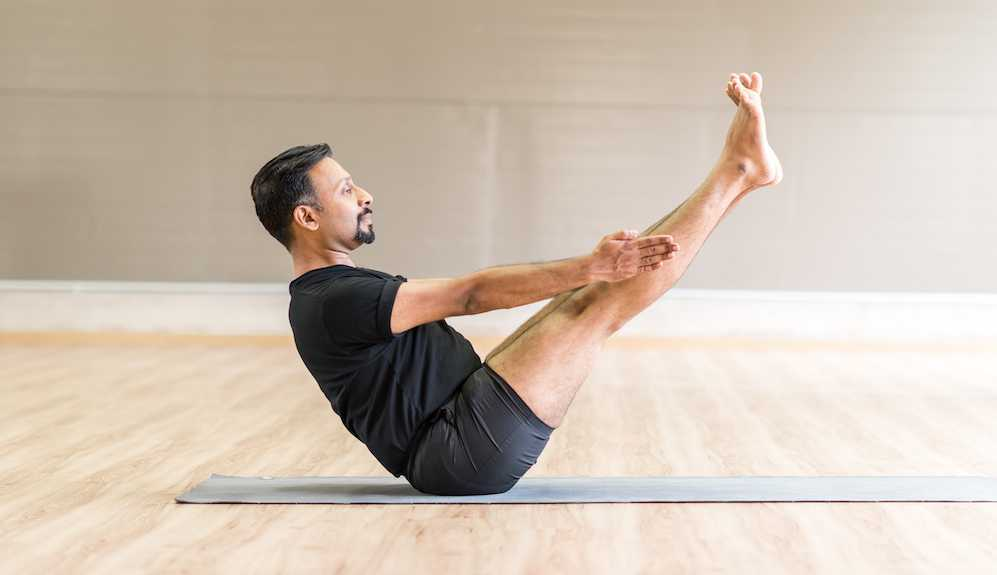
Boat pose builds core strength and stimulates the abdominal organs, including the prostate. Sit on the floor, lean back slightly, and lift legs to form a V-shape with your body. A strong core translates to better stamina and control during intimacy.
Hold for 30-45 seconds, repeat 3 times.
5. Eagle Pose (Garudasana)
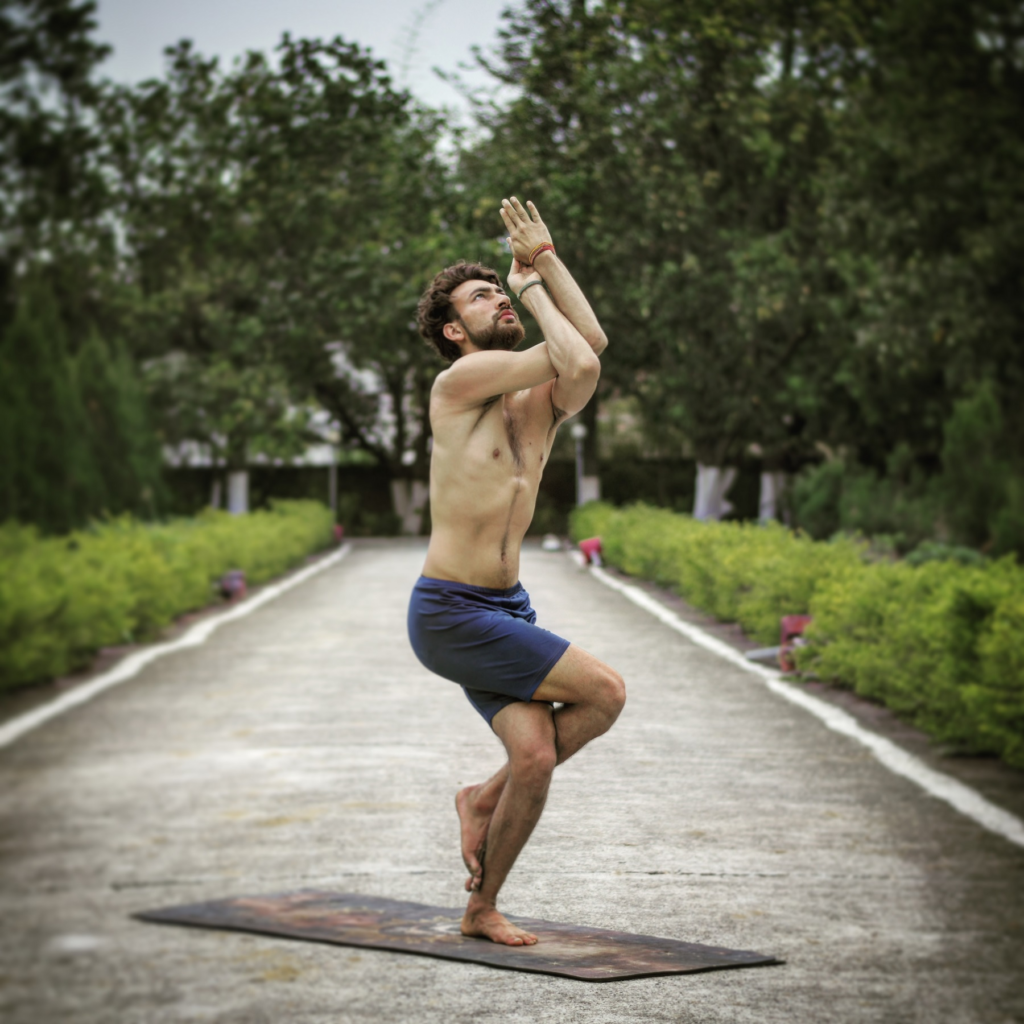
This balancing pose requires focus and sends fresh blood to the pelvic region when you release the legs. Wrap one leg around the other while balancing, then switch sides. Eagle pose improves concentration and blood circulation simultaneously.
Hold for 30 seconds each side.
6. Cat-Cow Pose (Marjaryasana-Bitilasana)
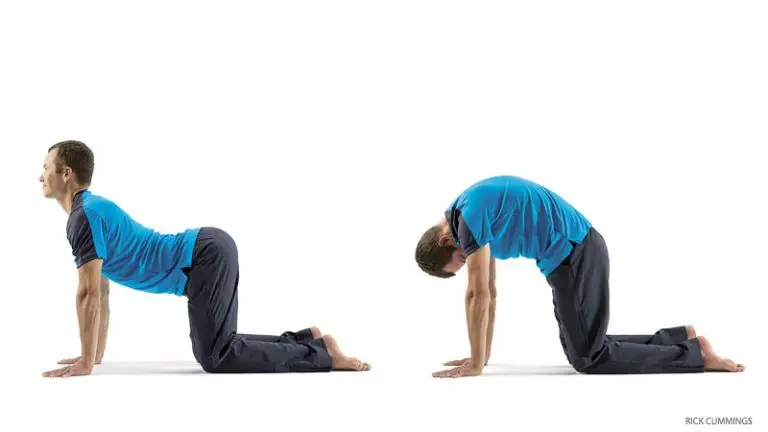
This gentle flow increases spinal flexibility and massages the abdominal organs. Alternate between arching your back (cow) and rounding (cat) on all fours. The movement stimulates the nervous system and reduces stress hormones that can dampen libido.
Flow for 1-2 minutes.
7. Mula Bandha (Root Lock)
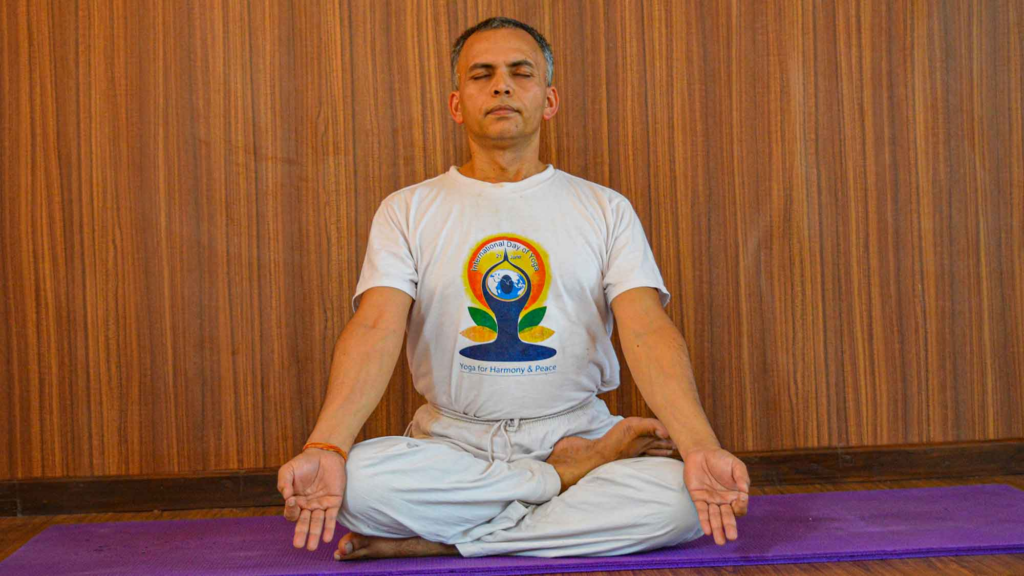
Perhaps the most important technique for men’s sexual fitness, Mula Bandha involves contracting the pelvic floor muscles (the same muscles used to stop urine flow). Practice isolating and holding these contractions to build incredible control and prevent premature issues.
Contract for 10 seconds, release for 10 seconds. Repeat 10 times.
Breathing Techniques for Sexual Stamina
Kapalabhati (Breath of Fire): Rapid, forceful exhalations through the nose energize the body and increase oxygen flow. Practice for 1-2 minutes daily.
Nadi Shodhana (Alternate Nostril Breathing): Balances the nervous system and reduces anxiety. Perfect for calming pre-performance nerves.
Frequently Asked Questions (FAQ)
Q: How often should men practice yoga for sexual health benefits?
A: Consistency matters more than intensity. Aim for 20-30 minutes of yoga, 4-5 times per week. You should notice improved energy and reduced stress within 2-3 weeks, with sexual health benefits becoming apparent after 6-8 weeks of regular practice.
Q: Can yoga really help with erectile dysfunction?
A: Yes. Studies show that yoga improves endothelial function and blood flow—both critical for healthy erections. A 2019 study published in the Journal of Sexual Medicine found that men who practiced yoga regularly reported significant improvements in erectile function scores compared to control groups.
Q: Which yoga pose is best for increasing libido?
A: While all the poses listed help, Cobra Pose and Butterfly Pose are particularly effective for boosting libido. Cobra stimulates the sacral chakra (energy center associated with sexuality), while Butterfly releases hip tension that can suppress sexual energy.
Q: Is yoga better than gym workouts for sexual fitness?
A: They complement each other. Gym workouts build testosterone-supporting muscle mass, while yoga improves the flexibility, blood flow, and mental calmness essential for sexual performance. The combination of both yields the best results.
Q: Can yoga help with premature ejaculation?
A: Absolutely. Mula Bandha (Root Lock) and Bridge Pose specifically strengthen the pelvic floor muscles that control ejaculation. Combined with breathing techniques like Nadi Shodhana to reduce anxiety, many men experience improved control within 4-6 weeks.
Q: How long before intimacy should I practice yoga?
A: A gentle 15-minute session 2-3 hours before intimacy can enhance performance by increasing blood flow and reducing anxiety. Avoid intense yoga immediately before, as it may temporarily deplete energy.
Q: Are there any yoga poses men should avoid for sexual health?
A: Avoid overly intense inversions like Headstand if you have high blood pressure or heart conditions. Always listen to your body and consult a healthcare provider if you have existing medical conditions.
Conclusion
Yoga offers men a natural, sustainable path to enhanced sexual fitness without side effects or dependencies. By improving circulation, strengthening critical muscles, reducing stress, and boosting confidence, these ancient practices address sexual wellness from every angle. Start with just 20 minutes daily, focus on consistency, and combine with healthy lifestyle choices for optimal results.
Remember: Sexual health is holistic. Pair your yoga practice with adequate sleep, balanced nutrition, stress management, and open communication with your partner for the best outcomes.
Disclaimer: This article is for informational purposes only and does not constitute medical advice. Consult a healthcare professional before starting any new exercise regimen, especially if you have existing health conditions.