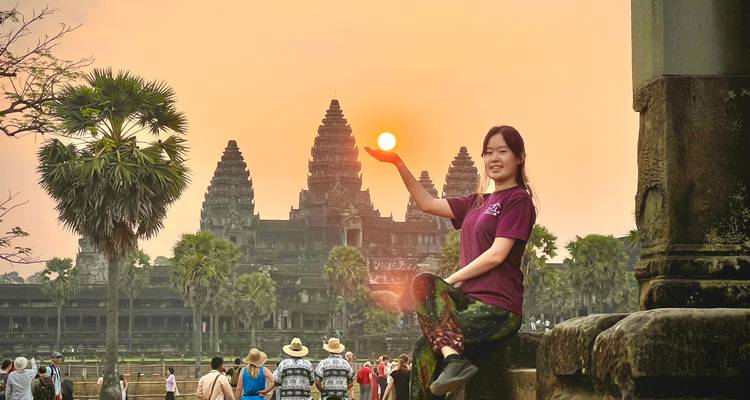
Hidden deep within the tropical forests of Cambodia lies one of the world’s most extraordinary architectural masterpieces — Angkor Wat. Known for its breathtaking beauty, detailed carvings, and spiritual significance, Angkor Wat attracts millions of travelers, photographers, and historians every year.
More than just a tourist attraction, Angkor Wat represents the pride of the ancient Khmer civilization and remains one of Southeast Asia’s greatest historical treasures.
The Origin of Angkor Wat
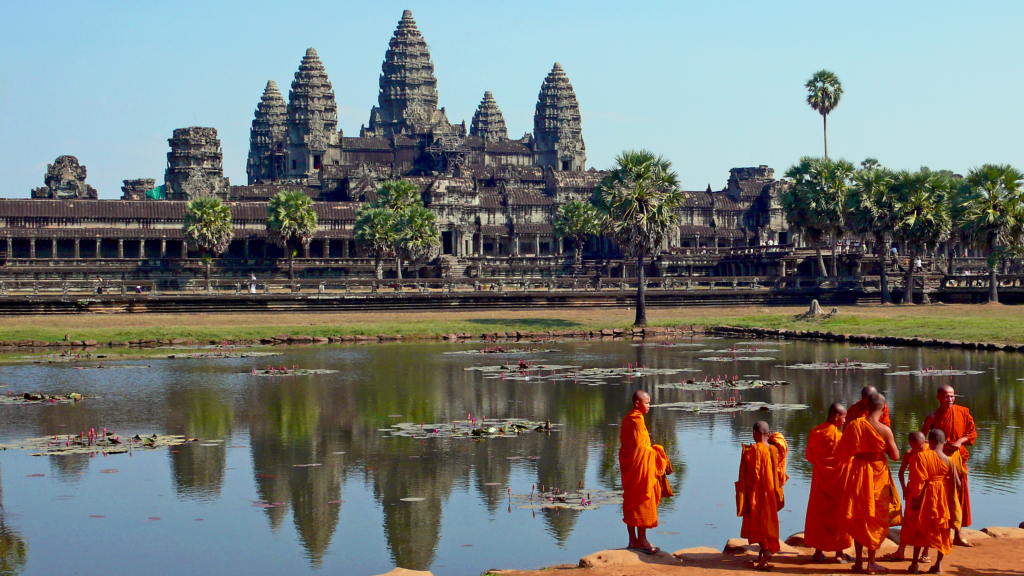
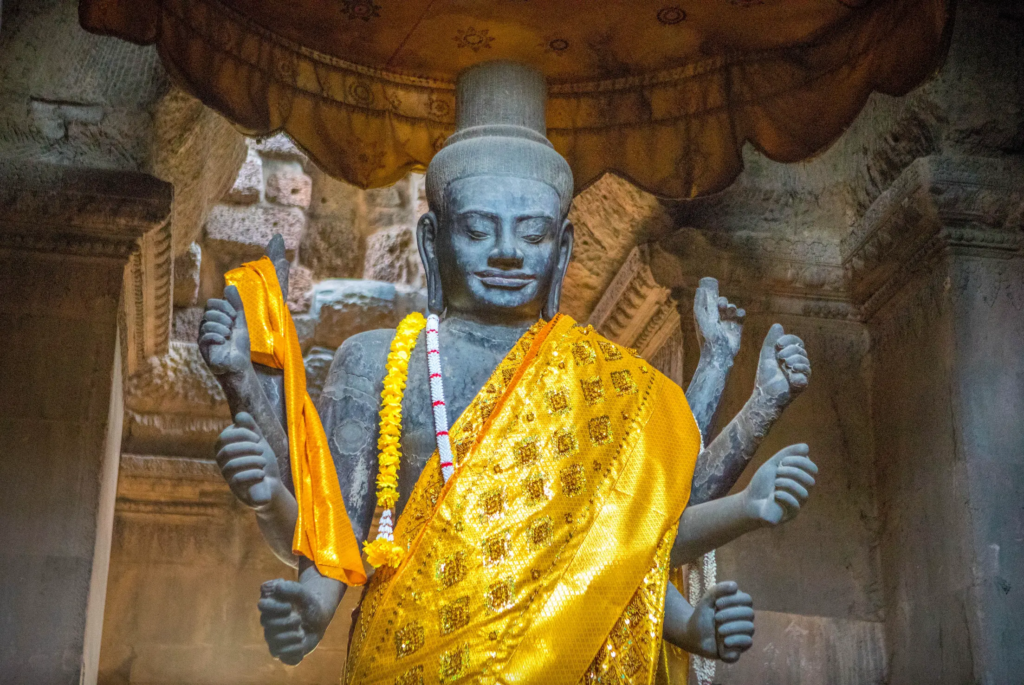
Angkor Wat was built during the early 12th century by King Suryavarman II, one of the most powerful rulers of the Khmer Empire. Originally constructed as a Hindu temple dedicated to Lord Vishnu, the monument later transformed into a Buddhist temple, which it remains today.
The temple complex was designed to symbolize Mount Meru, the mythical home of the gods in Hindu mythology. Its impressive towers, moats, and galleries reflect advanced engineering and artistic skills that were far ahead of their time.
Located near Siem Reap in Cambodia, Angkor Wat was once part of the massive city of Angkor, considered one of the largest pre-industrial cities in the world.
Architectural Beauty of Angkor Wat
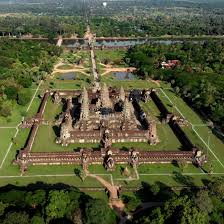
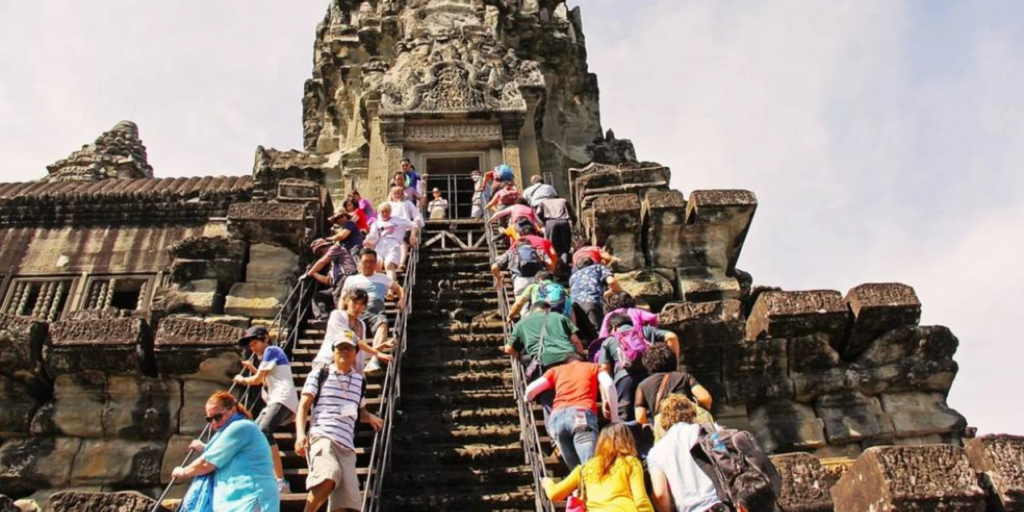
One of the most fascinating features of Angkor Wat is its stunning Khmer architecture. The temple is surrounded by a giant moat and built with sandstone blocks carefully transported from distant mountains.
The central tower rises approximately 65 meters high and is surrounded by four smaller towers, creating the famous lotus-shaped silhouette recognized worldwide.
Visitors are often amazed by the intricate bas-reliefs carved into the temple walls. These carvings depict scenes from Hindu epics like the Ramayana and Mahabharata, along with historical battles and celestial dancers known as Apsaras.
The temple’s symmetry, mathematical precision, and astronomical alignment continue to impress architects and researchers today.
The Decline of the Khmer Empire
Despite its glory, the Khmer Empire eventually declined during the 15th century due to wars, political instability, and environmental challenges. Many parts of the city were abandoned, and the surrounding jungle slowly covered the ancient temples.
For centuries, Angkor Wat remained hidden from much of the outside world until French explorers and historians brought international attention to the site during the 19th century.
Restoration efforts later helped preserve the temple and protect it from further damage.
UNESCO World Heritage Recognition
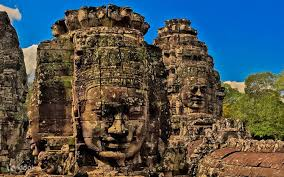
In 1992, Angkor Wat became a UNESCO World Heritage Site. This recognition increased global awareness about the importance of preserving Cambodia’s cultural heritage.
Today, Angkor Wat stands as a symbol of national pride and even appears on the Cambodian flag — making Cambodia the only country in the world to feature a building on its national flag.
The temple complex continues to attract travelers from around the world who come to witness its magical sunrise views, historical significance, and spiritual atmosphere.
Best Time to Visit Angkor Wat
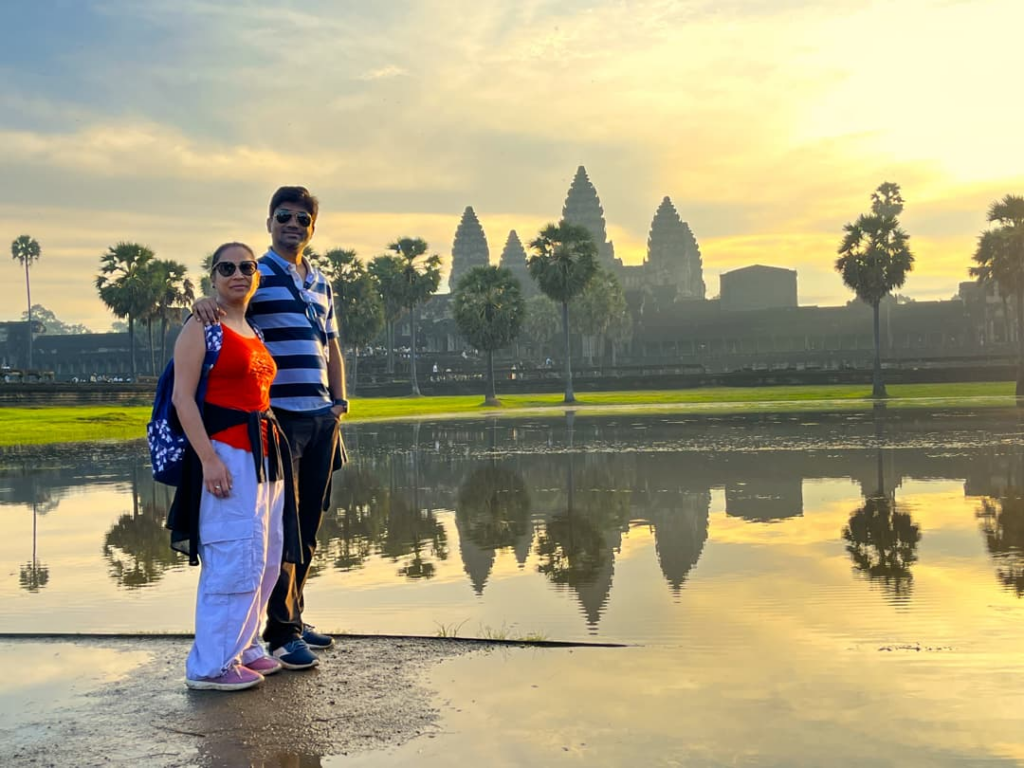
The ideal time to visit Angkor Wat is between November and March when the weather is cooler and less humid. Sunrise tours are especially popular because the temple reflects beautifully in the surrounding water.
Travelers should wear comfortable clothing, stay hydrated, and respect the religious nature of the site by dressing modestly.
Why Angkor Wat Still Matters Today
Angkor Wat is more than an ancient monument. It is a reminder of human creativity, spiritual devotion, and the lasting impact of civilization.
Even after hundreds of years, the temple continues to inspire artists, historians, architects, and travelers across the globe.
Whether you are passionate about history, architecture, photography, or adventure travel, Angkor Wat offers an unforgettable experience that connects the past with the present.
Frequently Asked Questions (Q&A)
Q1. Who built Angkor Wat?
King Suryavarman II of the Khmer Empire built Angkor Wat during the early 12th century.
Q2. Is Angkor Wat a Hindu or Buddhist temple?
Angkor Wat was originally a Hindu temple dedicated to Lord Vishnu but later became a Buddhist temple.
Q3. Why is Angkor Wat famous?
Angkor Wat is famous for its massive size, stunning architecture, detailed carvings, and historical importance.
Q4. Where is Angkor Wat located?
Angkor Wat is located near Siem Reap in Cambodia.
Q5. Why is Angkor Wat on the Cambodian flag?
The temple represents Cambodia’s cultural identity and historical pride.