Why Kerala is Called God’s Own Country
Nestled along the southwestern coastline of India, Kerala is a land where nature paints its most vivid masterpiece. Known affectionately as “God’s Own Country,” this slender state stretches between the Arabian Sea and the Western Ghats, creating a geographical wonderland that captivates every traveler who sets foot here.
The beauty of Kerala isn’t merely visual—it is an immersive experience that engages all five senses. From the emerald-green backwaters that meander through palm-fringed villages to the mist-kissed tea plantations of Munnar, from the healing touch of ancient Ayurveda to the rhythmic storytelling of Kathakali dancers, Kerala offers a sensory symphony unlike anywhere else on Earth.
In 2026, Kerala continues to evolve as a premier travel destination while maintaining its authentic soul. Whether you are a first-time visitor or a returning explorer, this guide will help you discover the multifaceted beauty that makes Kerala one of the most sought-after destinations in Asia.
The Emerald Backwaters: Kerala’s Liquid Poetry
No discussion of Kerala’s beauty is complete without its legendary backwaters—a network of 900 kilometers of interconnected canals, rivers, and lagoons that form the lifeline of rural Kerala.
Alleppey: The Venice of the East
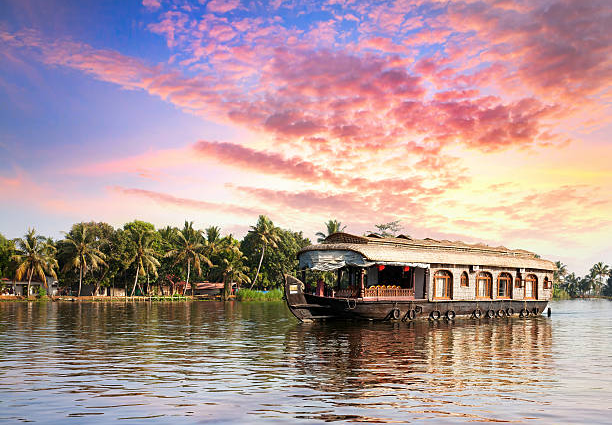
Alleppey (Alappuzha) stands as the crown jewel of Kerala’s backwater tourism. Here, traditional kettuvallams (rice barges converted into luxury houseboats) glide silently through mirror-still waters, reflecting coconut palms and azure skies. A night spent on a houseboat, drifting past villages where life unfolds at the water’s edge, is perhaps the most iconic Kerala experience.
Kumarakom: Birdwatcher’s Paradise
Located on the banks of Vembanad Lake, Kumarakom offers a more serene backwater experience. The Kumarakom Bird Sanctuary attracts migratory birds from Siberia and the Himalayas, making it a haven for nature photographers and bird enthusiasts.
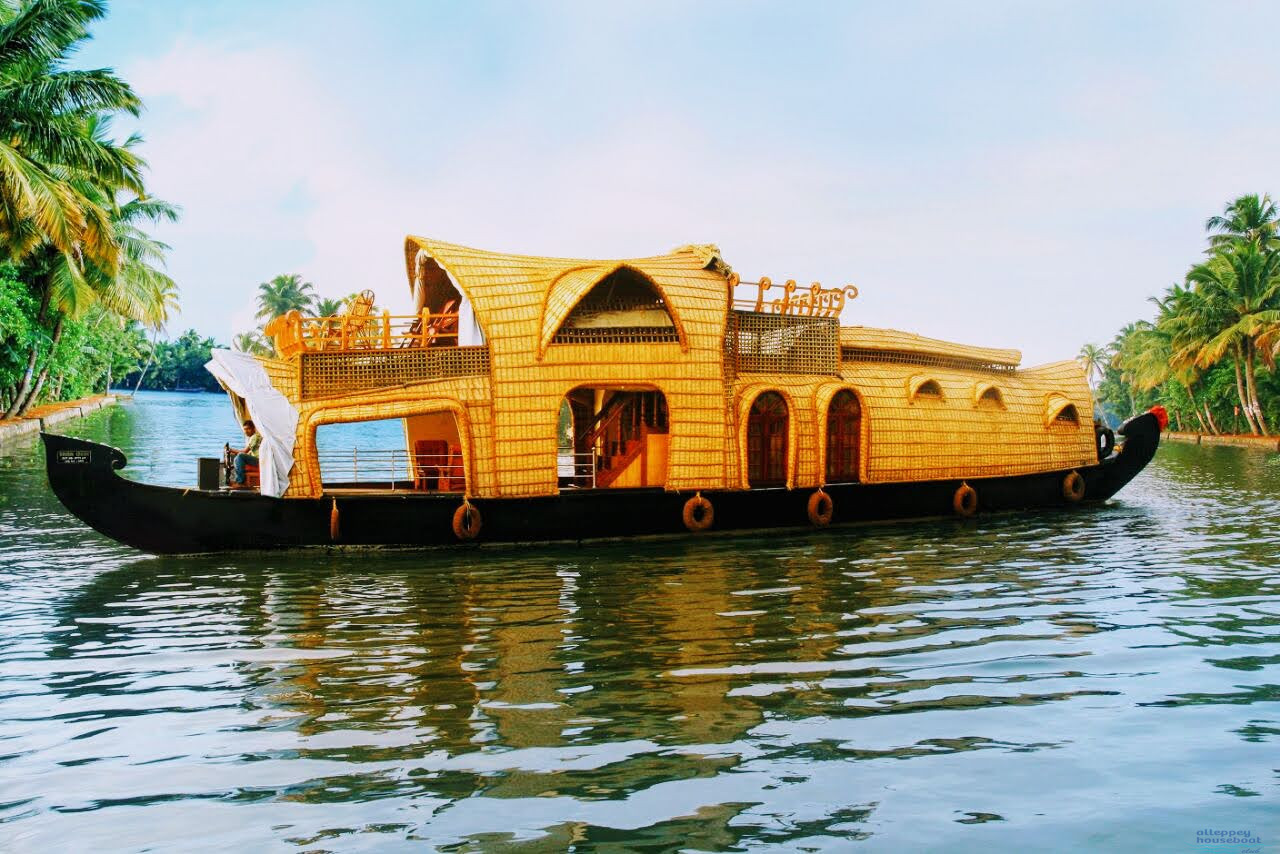
A traditional Kerala houseboat cruising through the tranquil backwaters, surrounded by lush coconut palms.
Munnar: Where the Hills Wear Velvet Green
Rising majestically in the Western Ghats, Munnar is Kerala’s premier hill station and a testament to the state’s diverse beauty. At elevations ranging from 1,500 to 2,695 meters, Munnar transforms Kerala’s tropical landscape into something reminiscent of the Scottish Highlands—only greener.
Tea Plantations: A Sea of Green
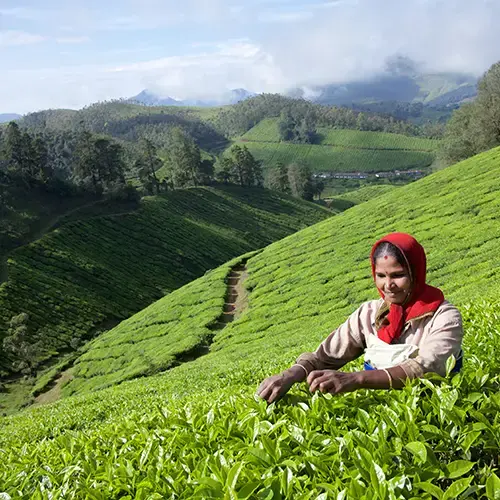
The undulating hills of Munnar are carpeted with meticulously manicured tea estates that stretch as far as the eye can see. The Kolukkumalai Tea Estate, perched at 2,160 meters, is the highest tea plantation in the world and offers breathtaking sunrise views over the misty valleys.
Eravikulam National Park
Home to the endangered Nilgiri Tahr and the spectacular Neelakurinji flower that blooms once every twelve years (next bloom in 2030), this park showcases Kerala’s commitment to preserving its natural heritage.
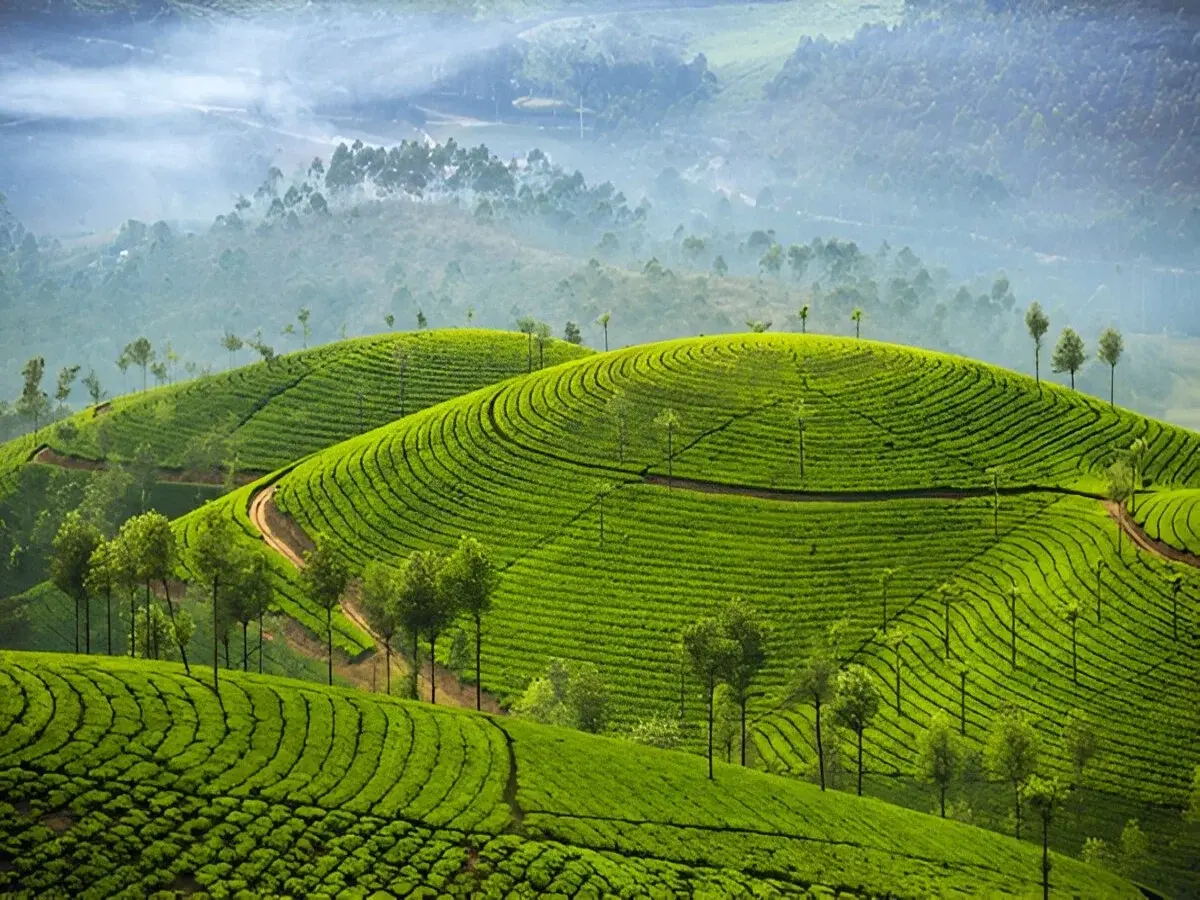
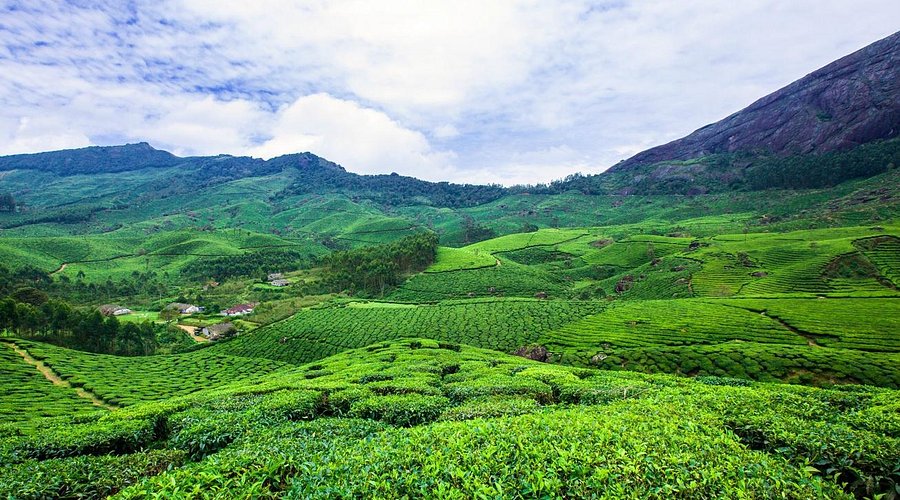
The mist-covered tea plantations of Munnar create a surreal landscape that changes color with every passing hour.
Ayurveda: The Ancient Science of Wellness
Kerala’s beauty extends beneath the surface to its 5,000-year-old healing tradition. Recognized by UNESCO and practiced authentically here, Ayurveda transforms Kerala from a visual destination into a wellness sanctuary.
Panchakarma: The Ultimate Detox
The monsoon season (June to September) is considered the ideal time for Ayurvedic treatments, as the cool, moist weather opens the body’s pores, allowing herbal oils to penetrate deeply. Resorts like Kairali, Somatheeram, and Ayurvedagram offer world-class Panchakarma therapies that attract wellness seekers from across the globe.
Shirodhara: Mind-Body Harmony
The signature treatment of warm herbal oil poured in a continuous stream over the forehead (third eye) induces a meditative state that modern science is only beginning to understand.
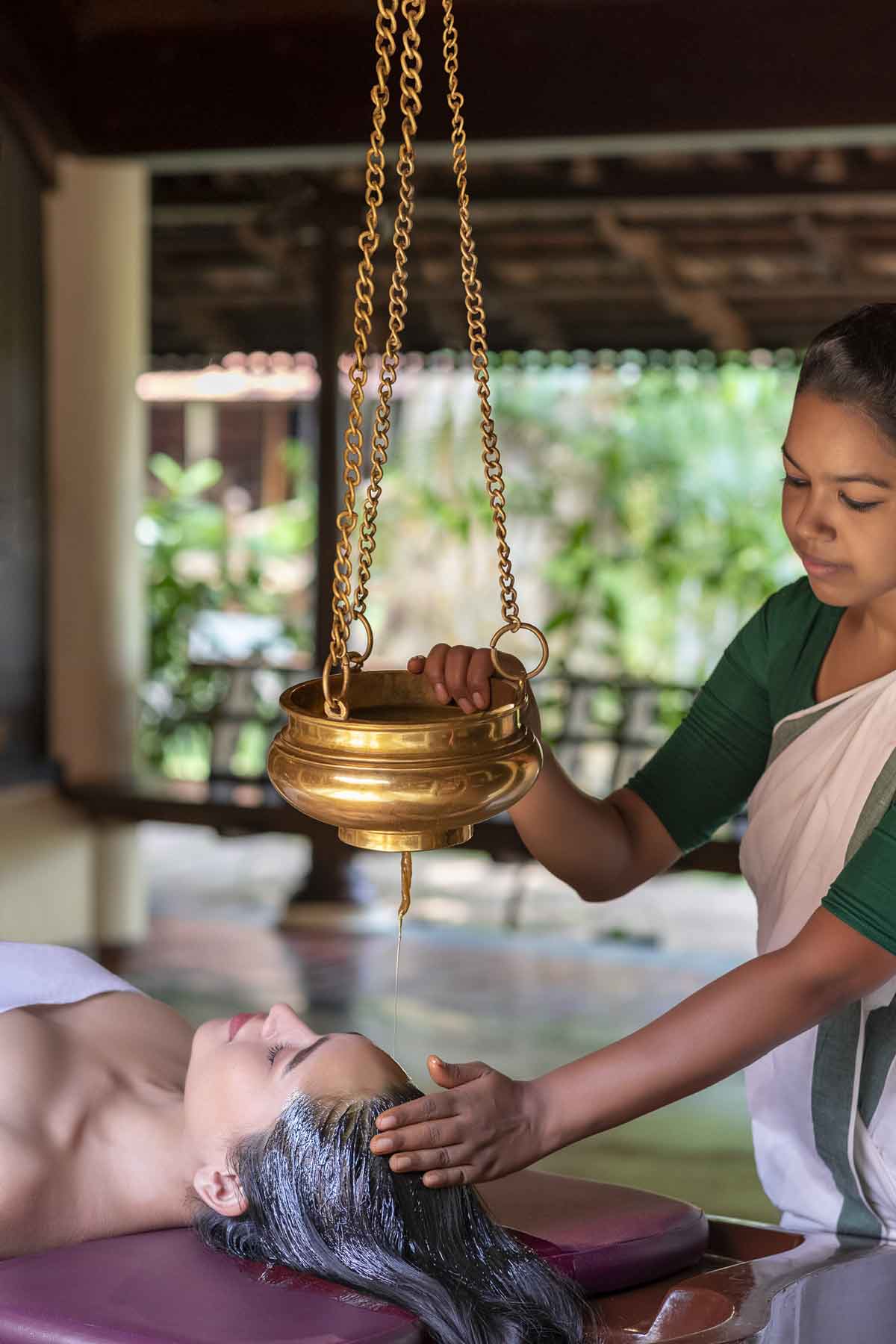
Traditional Ayurvedic Shirodhara treatment—an ancient healing practice perfected in Kerala over millennia.
Cultural Kaleidoscope: Where Traditions Come Alive
Kerala’s beauty is deeply intertwined with its living cultural traditions. Unlike museum pieces, these art forms breathe in temple courtyards, village squares, and festival grounds.
Kathakali: The Dance of Gods
This 400-year-old classical dance-drama is Kerala’s most recognizable cultural export. With elaborate costumes, intricate facial makeup (chutti), and exaggerated expressions, Kathakali performers narrate stories from the Ramayana and Mahabharata through a vocabulary of over 900 gestures.
Theyyam: The Dance of the Divine
In northern Kerala’s Malabar region, Theyyam is not merely a performance but a ritual possession where the performer becomes the deity. This ancient tradition predates Hinduism and offers a window into Kerala’s pre-Vedic spiritual landscape.
Onam: Kerala’s Harvest Festival
The ten-day festival of Onam (August-September) transforms Kerala into a floral paradise. The creation of intricate pookalams (flower carpets), the thrilling Vallamkali (snake boat races), and the elaborate Onasadya (feast of 26+ dishes) showcase the state’s communal harmony and cultural richness.
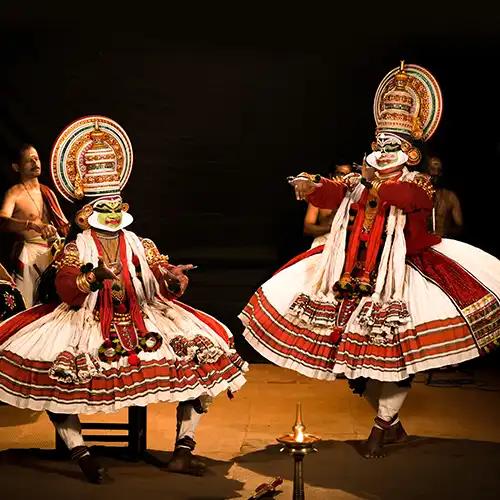
Kathakali performers in their magnificent costumes—the living cultural heritage of Kerala.
Beaches: Where the Land Meets the Sea
Kerala’s 580-kilometer coastline offers beaches that range from bustling to blissfully isolated.
- Kovalam: India’s most famous beach with a crescent-shaped shoreline and lighthouse views
- Varkala: A cliff-side beach with natural mineral springs and a bohemian atmosphere
- Marari: A pristine fishing village beach perfect for those seeking solitude
- Bekal: Dominated by the 17th-century Bekal Fort, offering dramatic sunset views
Wildlife Sanctuaries: Kerala’s Green Treasures
The Western Ghats, a UNESCO World Heritage Site, run through Kerala creating biodiversity hotspots:
- Periyar Wildlife Sanctuary: Elephant herds and tiger reserves around a lake
- Wayanad Wildlife Sanctuary: Leopards, bears, and rich tribal heritage
- Silent Valley: One of the last undisturbed tropical evergreen forests in India
Frequently Asked Questions (Q&A)
Q1: What is the best time to visit Kerala for maximum beauty?
A: The optimal time depends on what you seek. October to March (winter) offers pleasant weather (22-32°C) ideal for backwaters and beaches. June to September (monsoon) transforms Kerala into a lush emerald paradise perfect for Ayurveda and photography, though outdoor activities may be limited. April-May is hot but offers the best deals and fewer crowds.
Q2: How many days are ideal for a Kerala beauty tour?
A: A comprehensive Kerala tour requires 7-10 days. Allocate 2 days for backwaters (Alleppey/Kumarakom), 2-3 days for Munnar hills, 2 days for cultural experiences in Kochi or Thrissur, and 1-2 days for beach relaxation. Shorter 4-5 day trips can cover either backwaters + hills or backwaters + beaches.
Q3: Is Kerala suitable for honeymoon travelers?
A: Absolutely. Kerala consistently ranks among Asia’s top honeymoon destinations. The combination of private houseboats, hill station resorts, beachside cottages, and couples’ Ayurveda packages creates romantic experiences that are both luxurious and authentic. Munnar and Kumarakom are particularly popular with honeymooners.
Q4: What makes Kerala different from other Indian states?
A: Kerala stands apart through its universal literacy (94%), progressive social indicators, religious harmony, and commitment to sustainable tourism. It is the only Indian state where you can experience tropical beaches, misty mountains, and tranquil backwaters within a 4-hour drive. The state’s “Responsible Tourism” initiative ensures that local communities benefit directly from tourism.
Q5: What should I pack for a Kerala trip?
A: Pack light cotton clothing for coastal areas, a light jacket for Munnar evenings, comfortable walking shoes, rain gear (if visiting during monsoon), sunscreen, insect repellent, and modest clothing for temple visits. Don’t forget a good camera—Kerala is incredibly photogenic.
Q6: Is Kerala safe for solo female travelers?
A: Kerala is considered one of the safest states in India for solo female travelers. The high literacy rate translates to greater awareness and respect. Houseboat operators, taxi drivers, and hotel staff are generally professional. Standard precautions—avoiding isolated areas after dark and dressing modestly in rural areas—apply as they would anywhere.
Q7: What is the must-try food experience in Kerala?
A: The Kerala sadya (vegetarian feast served on banana leaf) is unmissable. Other essentials include karimeen pollichathu (pearl spot fish grilled in banana leaf), appam with stew, Kerala prawn curry, and the iconic Malabar biryani. Don’t miss the filter coffee and fresh tender coconut water.
Q8: How can I experience authentic Kerala beauty without tourist crowds?
A: Visit during the shoulder seasons (April-May or September). Choose homestays over hotels in villages like Kumbalangi (near Kochi) or Mararikulam. Explore lesser-known backwater destinations like Ashtamudi Lake in Kollam. Attend local temple festivals rather than commercial cultural shows.
Conclusion: Why Kerala Beauty Stays With You
The beauty of Kerala is not a fleeting impression—it is a lasting transformation. It is the gentle lapping of backwater waves against your houseboat at dawn, the mist rolling over tea estates as the sun breaks through, the healing hands of an Ayurvedic therapist, and the hypnotic rhythm of a Kathakali drum.
In 2026, as the world seeks destinations that offer both escape and meaning, Kerala stands ready. It is not just a place to visit; it is a place to return to, again and again, each time discovering new layers of its timeless beauty.
Plan your Kerala journey today. God’s Own Country awaits.