Excessive Heat: Causes, Effects & Safety Tips to Stay Cool
excessive heat, its causes, health risks, and practical tips to stay safe during extreme temperatures. Includes FAQs and expert advice.
Excessive Heat: Causes, Effects, and How to Stay Safe
Excessive heat is becoming increasingly common across the globe, especially during peak summer months. With rising temperatures and frequent heatwaves, it’s important to understand how extreme heat impacts our health, environment, and daily life—and what steps we can take to stay safe.
What is Excessive Heat?
Excessive heat refers to prolonged periods of unusually high temperatures, often accompanied by high humidity. These conditions can lead to heatwaves, which pose serious risks to both humans and animals. In many regions, temperatures crossing 40°C (104°F) are considered dangerously high.
Causes of Excessive Heat
Several factors contribute to excessive heat:
- Climate Change: Global warming is one of the biggest contributors to rising temperatures worldwide.
- Urban Heat Island Effect: Cities tend to be hotter due to concrete structures and reduced greenery.
- Deforestation: Loss of trees reduces natural cooling.
- High Pressure Systems: These weather patterns trap heat in a region for extended periods.
Effects of Excessive Heat
Extreme heat can have serious consequences:
1. Health Risks
- Heat exhaustion
- Heatstroke (a life-threatening condition)
- Dehydration
- Sunburn
Vulnerable groups include children, elderly people, and those with pre-existing health conditions.
2. Environmental Impact
- Droughts
- Increased wildfires
- Reduced water availability
- Damage to crops and agriculture
3. Economic Effects
- Increased electricity demand (air conditioning)
- Reduced productivity
- Healthcare costs due to heat-related illnesses
Tips to Stay Safe During Excessive Heat
Here are some practical ways to protect yourself:
Stay Hydrated
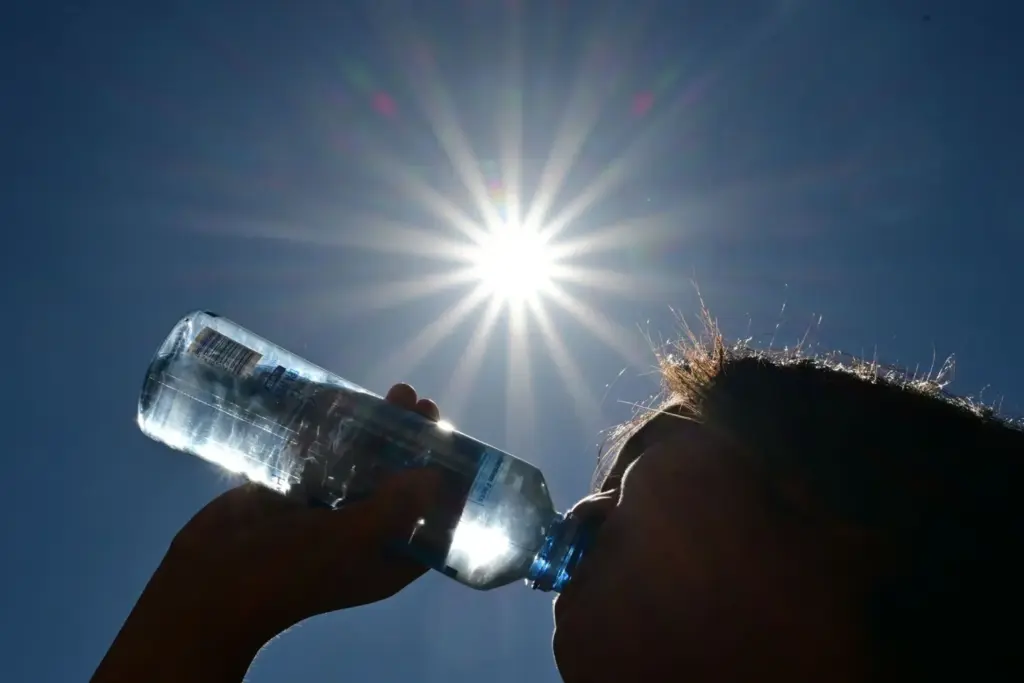
Drink plenty of water throughout the day, even if you don’t feel thirsty. Avoid alcohol and caffeinated drinks.
Wear Light Clothing
Choose loose-fitting, light-colored clothes made of breathable fabrics like cotton.
Avoid Peak Heat Hours
Stay indoors between 12 PM and 4 PM when the sun is at its strongest.
Use Cooling Methods
- Take cool showers
- Use fans or air conditioning
- Keep curtains closed during the day
Eat Light Meals
Opt for fruits, salads, and foods with high water content.
Check on Others
Make sure elderly family members, neighbors, and pets are safe and hydrated.
Signs of Heat-Related Illness
Recognizing early symptoms can save lives:
- Dizziness
- Rapid heartbeat
- Nausea
- Confusion
- Excessive sweating or lack of sweating
If someone shows signs of heatstroke (high body temperature, confusion, fainting), seek medical help immediately.
Frequently Asked Questions (Q&A)
Q1: What temperature is considered excessive heat?
Temperatures above 40°C (104°F) are generally considered excessive, especially when combined with humidity.
Q2: How does excessive heat affect the human body?
It disrupts the body’s ability to regulate temperature, leading to dehydration, heat exhaustion, or heatstroke.
Q3: Who is most at risk during extreme heat?
Children, elderly individuals, outdoor workers, and people with chronic illnesses are most vulnerable.
Q4: How can I cool my home naturally?
Use curtains, ventilation, indoor plants, and avoid using heat-generating appliances during the day.
Q5: Can excessive heat impact mental health?
Yes, high temperatures can increase stress, irritability, and fatigue.
Conclusion
Excessive heat is more than just discomfort—it’s a serious health and environmental concern. By understanding its causes and effects, and by taking preventive measures, you can protect yourself and your loved ones. Stay informed, stay hydrated, and stay cool.