6 Simple Ways to Live a More Sustainable Life | Easy Eco-Friendly Living Tips
Discover 6 simple ways to live a more sustainable life with practical eco-friendly habits for daily living. Learn how to reduce waste, save energy, eat responsibly, and protect the environment.
Simple Ways to Live a More Sustainable Life
Living sustainably does not mean changing your entire lifestyle overnight. Small daily habits can create a huge positive impact on the environment while also helping you save money and improve your quality of life. In 2026, more people are becoming aware of climate change, pollution, and waste management, making sustainable living more important than ever.
The good news is that sustainable living can be simple, affordable, and practical. Whether you are starting your eco-friendly journey or looking for new green habits, these six easy lifestyle changes can help you live more responsibly.
1. Reduce Single-Use Plastic
One of the easiest ways to start living sustainably is by reducing your use of single-use plastics. Plastic bags, straws, water bottles, and packaging contribute heavily to environmental pollution.
Instead of buying disposable products, switch to reusable alternatives such as:
- Reusable shopping bags
- Stainless steel water bottles
- Glass food containers
- Bamboo toothbrushes
- Reusable coffee cups
These simple swaps reduce landfill waste and decrease ocean pollution. Many eco-friendly products are now stylish, affordable, and widely available.
Suggested Blog Image
Image Prompt: A modern kitchen with reusable glass jars, bamboo utensils, stainless steel water bottles, and eco-friendly shopping bags in natural lighting.
2. Save Energy at Home
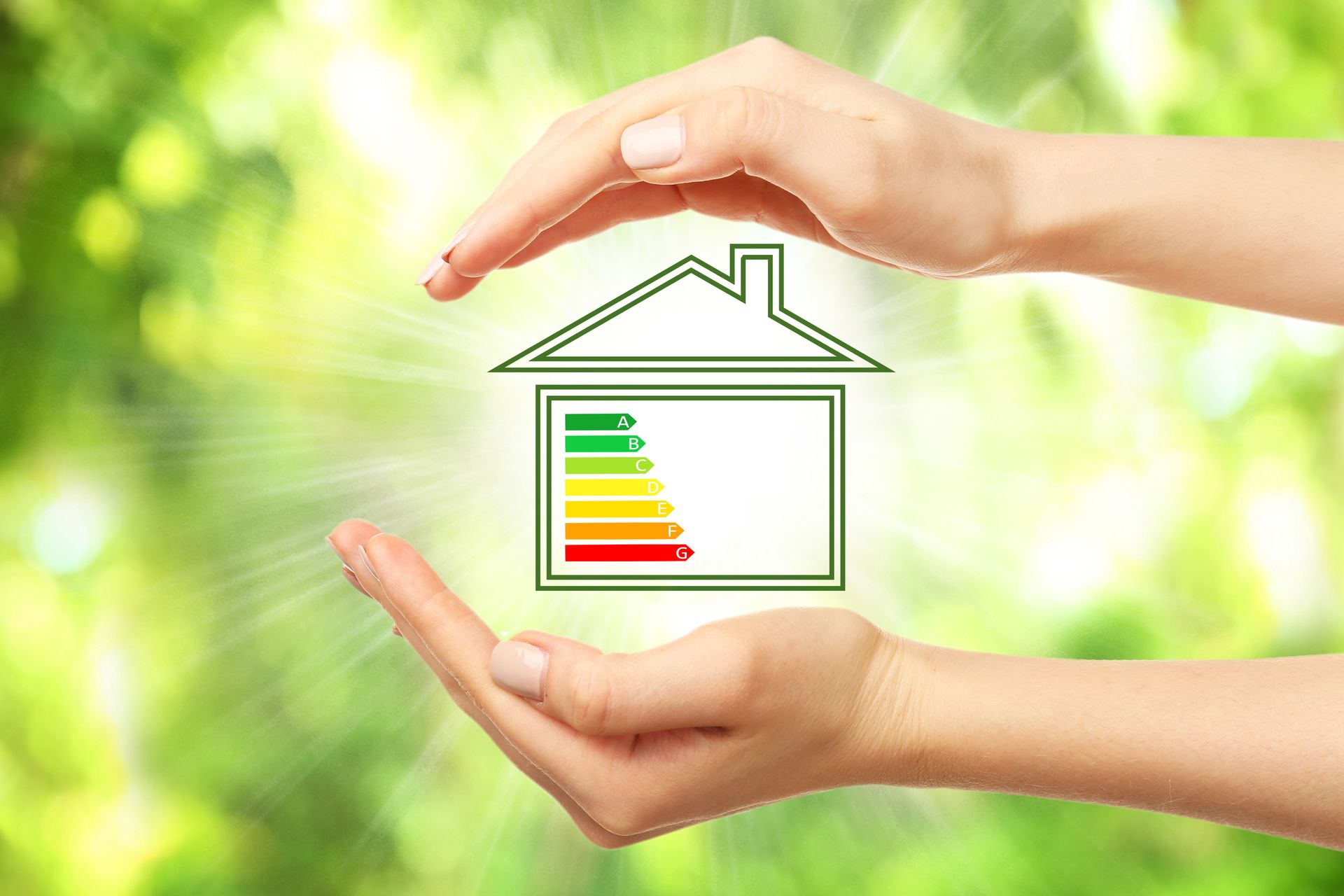
Reducing energy consumption is another effective way to live sustainably. Saving electricity not only lowers your utility bills but also reduces carbon emissions.
Simple energy-saving habits include:
- Turning off lights when leaving a room
- Using LED bulbs
- Unplugging unused devices
- Using natural sunlight during the day
- Choosing energy-efficient appliances
You can also consider installing solar panels if possible. Even small energy-saving actions performed consistently can make a significant environmental difference.
Suggested Blog Image
Image Prompt: A bright eco-friendly home using solar panels, LED lighting, and energy-efficient appliances with green indoor plants.
3. Choose Sustainable Transportation
Transportation is a major source of greenhouse gas emissions worldwide. Choosing environmentally friendly travel options can greatly reduce your carbon footprint.
Some sustainable transportation choices include:
- Walking short distances
- Riding a bicycle
- Using public transportation
- Carpooling
- Driving electric or hybrid vehicles
If you work remotely, even reducing weekly commuting can positively impact the environment.
Cycling and walking also improve physical health, making sustainable transport beneficial for both people and the planet.
Suggested Blog Image
Image Prompt: Young professionals riding bicycles in a clean urban city with trees, electric buses, and eco-friendly transportation.
4. Eat More Plant-Based Foods
Food production has a major environmental impact, especially meat and dairy industries. Adding more plant-based meals to your diet can help reduce water usage, land destruction, and greenhouse gas emissions.
You do not need to become fully vegan to make a difference. Start with small changes such as:
- Having meat-free Mondays
- Eating seasonal vegetables
- Buying local produce
- Reducing food waste
- Growing herbs at home
Plant-based meals can also improve health by providing essential vitamins, fiber, and nutrients.
Suggested Blog Image
Image Prompt: A colorful healthy plant-based meal with fresh vegetables, fruits, grains, and smoothies arranged beautifully on a wooden table.
5. Shop More Responsibly

Fast fashion and excessive consumerism create massive environmental waste. Sustainable shopping means buying fewer but higher-quality items that last longer.
Before making purchases, ask yourself:
- Do I really need this?
- Can I buy second-hand?
- Is the product ethically made?
- Is the packaging eco-friendly?
Supporting local businesses and sustainable brands can also encourage ethical production practices.
Choosing quality over quantity reduces waste and saves money in the long term.
Suggested Blog Image
Image Prompt: Sustainable fashion items made from organic fabrics displayed in a minimalist eco-friendly clothing store.
6. Conserve Water Daily
Water conservation is an essential part of sustainable living. Millions of liters of water are wasted every day through careless habits.
Easy ways to save water include:
- Taking shorter showers
- Fixing leaking taps
- Turning off taps while brushing teeth
- Using water-efficient appliances
- Collecting rainwater for gardening
Even small efforts help protect natural water resources for future generations.
Suggested Blog Image
Image Prompt: A sustainable home garden using rainwater harvesting and eco-friendly watering systems during sunrise.
Why Sustainable Living Matters
Sustainable living helps protect the planet while creating healthier communities and lifestyles. Climate change, pollution, and resource depletion are global issues that require collective action.
By making conscious daily choices, individuals can:
- Reduce pollution
- Save natural resources
- Lower carbon emissions
- Support ethical businesses
- Improve personal health
Remember, sustainability is not about perfection. It is about making better choices consistently.
Final Thoughts
Living a more sustainable life starts with simple everyday habits. Reducing waste, saving energy, conserving water, and making smarter shopping choices can create a meaningful positive impact over time.
You do not need to change everything at once. Start with one or two eco-friendly habits and gradually build a greener lifestyle.
Every small action counts toward building a cleaner, healthier, and more sustainable future.
Frequently Asked Questions (Q&A)
Q1. What is sustainable living?
Sustainable living means making lifestyle choices that reduce environmental impact and help preserve natural resources for future generations.
Q2. How can beginners start living sustainably?
Beginners can start by reducing plastic use, saving electricity, conserving water, and choosing reusable products.
Q3. Does sustainable living save money?
Yes. Sustainable habits such as saving energy, reducing waste, and buying reusable items often lower long-term expenses.
Q4. Why is reducing plastic important?
Reducing plastic helps decrease pollution, protects wildlife, and lowers waste in landfills and oceans.
Q5. Can small eco-friendly habits really make a difference?
Absolutely. When millions of people adopt small sustainable habits, the collective environmental impact becomes significant.
Q6. What are the easiest eco-friendly habits?
Using reusable bags, switching off unused lights, saving water, and recycling are some of the easiest sustainable habits.