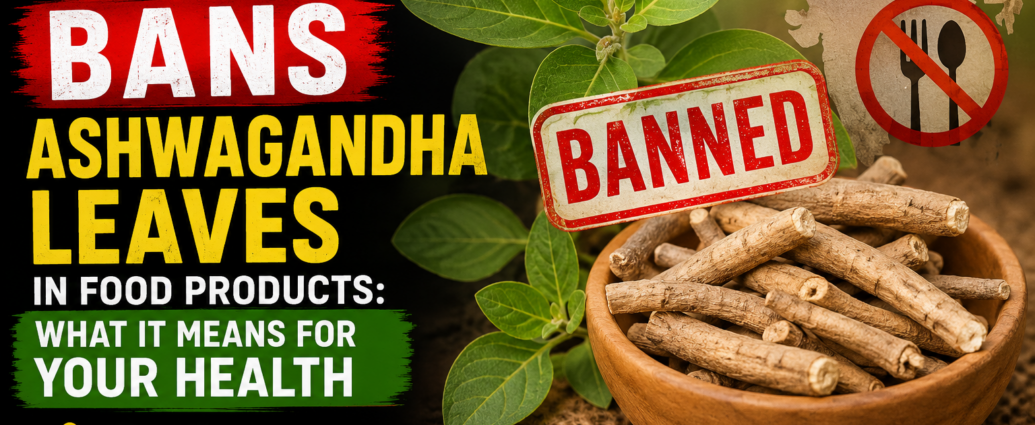
India Bans Ashwagandha Leaves in Food Products: Health Impact, Safety & Benefits Explained
Learn what the new rule means, potential health risks, benefits of ashwagandha root, and how consumers can stay safe.
What Consumers Need to Know
India’s wellness and herbal supplement industry has seen explosive growth in recent years, with ashwagandha becoming one of the most popular Ayurvedic ingredients worldwide. From protein powders and herbal teas to gummies and energy drinks, the ancient herb has found its way into countless products. However, recent regulatory changes regarding the use of ashwagandha leaves in food products have sparked concern and confusion among consumers.
The move to restrict or ban the use of ashwagandha leaves in food products is aimed at improving consumer safety and ensuring that herbal ingredients meet proper health standards. But what exactly does this mean for your health? Should you stop consuming ashwagandha entirely? And what is the difference between the leaves and the roots of this popular herb?
Let’s break it all down.
What Is Ashwagandha?
Ashwagandha, scientifically known as Withania somnifera, is a traditional Ayurvedic herb used for centuries in India. It is commonly known for helping reduce stress, improve sleep, boost energy levels, and support overall wellness.
The herb is primarily valued for its roots, which contain beneficial compounds called withanolides. These compounds are believed to help the body adapt to stress and may support mental clarity, immunity, and physical performance.
While the roots are widely accepted in traditional medicine, the leaves of the plant have become controversial in modern food applications.
Why Are Ashwagandha Leaves Being Restricted in Food Products?
Health authorities and food safety regulators have raised concerns about the unregulated use of ashwagandha leaves in packaged food and wellness products.
Unlike the roots, the leaves may contain higher concentrations of certain bioactive compounds that can have stronger physiological effects. Experts believe that excessive consumption of these compounds through daily food products may lead to unwanted side effects in some individuals.
Some of the main reasons behind the restriction include:
1. Safety Concerns
The long-term safety of consuming ashwagandha leaves in processed food products has not been fully studied. While traditional medicine uses controlled dosages, modern food products may expose consumers to unpredictable amounts.
2. Lack of Standardization
Many herbal food products in the market do not clearly specify whether they contain root extract or leaf extract. This creates confusion and makes quality control difficult.
3. Risk of Overconsumption
As ashwagandha becomes a trendy wellness ingredient, consumers may unknowingly consume it from multiple products daily, increasing the risk of side effects.
4. Regulatory Compliance
Authorities are attempting to align herbal food products with stricter safety standards and ensure manufacturers use approved plant parts.
Potential Health Effects of Ashwagandha Leaves
Although ashwagandha is generally considered safe when consumed responsibly, excessive intake of leaf extracts may lead to health complications in sensitive individuals.
Possible Side Effects
- Digestive discomfort
- Nausea or upset stomach
- Drowsiness
- Hormonal imbalance concerns
- Allergic reactions in rare cases
- Interactions with medications for thyroid, diabetes, or blood pressure
Pregnant women, breastfeeding mothers, and people with autoimmune conditions are usually advised to consult a healthcare professional before consuming concentrated herbal supplements.
Does This Mean Ashwagandha Is Unsafe?
No. The restriction does not mean that all ashwagandha products are dangerous.
In fact, ashwagandha root extract remains widely used in Ayurveda and nutritional supplements. The concern mainly revolves around the uncontrolled use of leaf extracts in mainstream food products.
Consumers should understand that there is a major difference between:
- Traditional medicinal use under guidance
- Standardized supplements with tested dosage
- Randomly added herbal ingredients in processed foods
Choosing high-quality products from trusted brands and checking ingredient labels carefully can help reduce risks.
Ashwagandha Root vs Ashwagandha Leaves
| Feature | Ashwagandha Root | Ashwagandha Leaves |
|---|---|---|
| Traditional Use | Widely used in Ayurveda | Less commonly used |
| Safety Data | Better researched | Limited research |
| Taste | Mild earthy flavor | Bitter taste |
| Use in Supplements | Common | Increasing but controversial |
| Regulatory Acceptance | More accepted | Facing restrictions |
The root continues to be the preferred and more scientifically studied form of ashwagandha.
How Consumers Can Stay Safe
If you regularly consume herbal or wellness products, here are some smart safety tips:
Read Labels Carefully
Check whether the product uses root extract or leaf extract.
Avoid Excessive Consumption
More is not always better. Follow recommended serving sizes.
Choose Certified Brands
Purchase products from reputable manufacturers that follow safety standards.
Consult a Professional
If you have existing health conditions or take medication, speak to a doctor before using herbal supplements.
Be Aware of Marketing Claims
Avoid products that promise unrealistic health benefits or instant results.
Impact on the Wellness Industry
The decision is expected to influence India’s rapidly growing herbal supplement market. Brands may now reformulate products, improve ingredient transparency, and focus more on standardized root extracts.
While some companies may face short-term challenges, stricter quality standards could ultimately increase consumer trust in Ayurvedic wellness products.
Experts also believe the move could encourage more scientific research into herbal ingredients and their long-term safety.
The Future of Herbal Wellness in India
India remains one of the global leaders in Ayurveda and herbal medicine. As consumer interest in natural wellness continues to rise, regulations will likely become stricter to ensure product quality and public safety.
This shift does not signal the end of herbal wellness. Instead, it highlights the importance of responsible usage, scientific validation, and transparent labeling.
Consumers can still enjoy the benefits of traditional herbs while staying informed about what they are consuming.
Frequently Asked Questions (Q&A)
Q1. Why did India restrict ashwagandha leaves in food products?
Authorities raised concerns about safety, lack of standardization, and potential overconsumption of bioactive compounds found in ashwagandha leaves.
Q2. Is ashwagandha root still safe to consume?
Yes, standardized ashwagandha root extracts are generally considered safe when used responsibly and according to recommended dosages.
Q3. What are the side effects of ashwagandha leaves?
Possible side effects may include nausea, digestive issues, drowsiness, and interactions with certain medications.
Q4. Can I still take ashwagandha supplements?
Yes, but it is recommended to choose trusted brands and consult a healthcare professional if you have medical conditions.
Q5. How can I identify safe herbal products?
Look for certified products with clear labeling, ingredient transparency, and tested formulations.