Why Your Hips Hold the Key to Freedom
If you spend hours sitting at a desk, driving, or scrolling on your phone, your hips are likely screaming for attention. In 2026, as remote work continues to dominate our lifestyles, hip opening yoga has become more essential than ever. The hips are the body’s emotional storage center — tight hips don’t just limit physical mobility; they can trap stress, anxiety, and unresolved emotions.
Hip opening yoga is a transformative practice that targets the deep muscles surrounding your pelvis: the hip flexors, glutes, adductors, and rotators. Unlike aggressive stretching, intelligent hip work invites your body to soften, release, and restore its natural range of motion. Whether you are a complete beginner or an experienced yogi, this guide will walk you through the most effective hip opening poses, their benefits, and how to practice them safely.
Understanding the Anatomy of Hip Opening
Before diving into poses, it helps to understand what “opening the hips” actually means. Your hips are a ball-and-socket joint surrounded by over 20 muscles. Hip opening yoga primarily targets:
- Hip Flexors (Iliopsoas): Tightened by prolonged sitting
- Adductors (Inner Thigh): Responsible for drawing legs together
- External Rotators (Glutes/Piriformis): Deep muscles that stabilize the pelvis
- Hip Extensors (Hamstrings): Support backward leg movement
When these muscles become chronically tight, they pull the pelvis out of alignment, strain the lower back, and restrict full-body movement. Hip opening yoga systematically releases each muscle group, restoring balance and ease.
7 Essential Hip Opening Yoga Poses
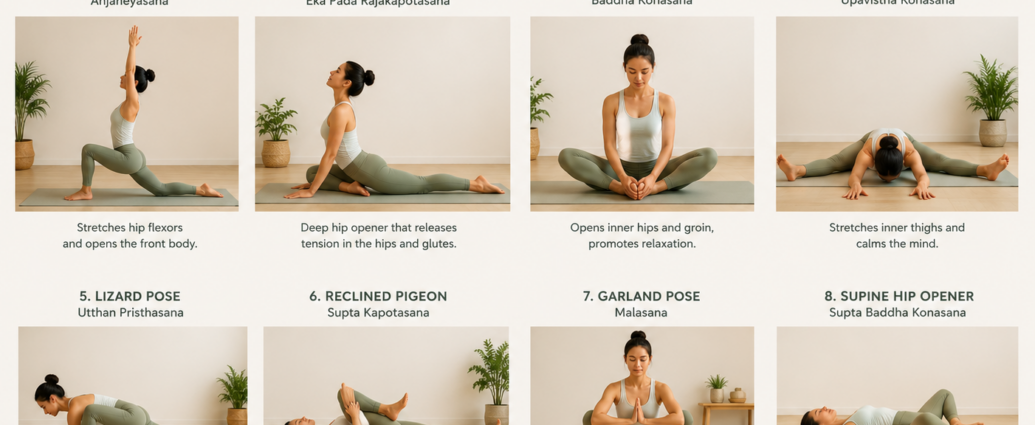
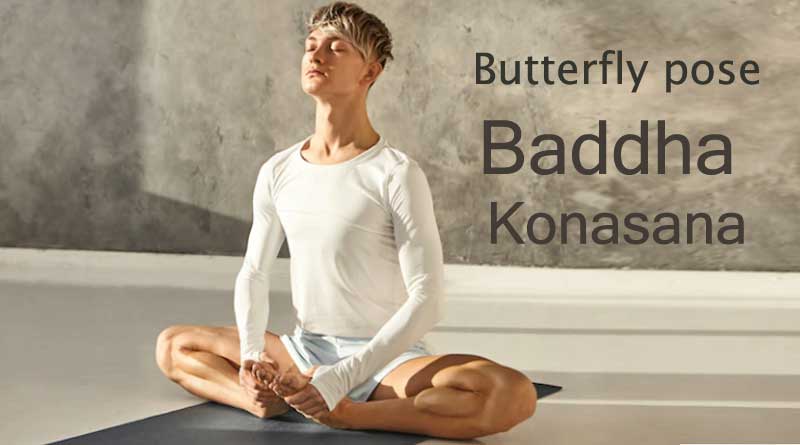
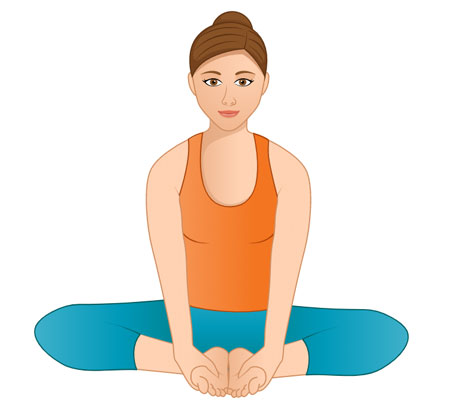
1. Baddha Konasana (Butterfly Pose)
The foundation of all hip openers, Butterfly Pose gently opens the inner thighs and groin.
How to Practice:
- Sit with soles of feet together, knees falling outward
- Hold your feet, sit tall, and gently pulse knees like butterfly wings
- For deeper stretch, fold forward from the hips
Benefits: Stimulates abdominal organs, improves circulation, relieves menstrual discomfort, and gently opens tight adductors.
Baddha Konasana (Butterfly Pose) — the foundational hip opener for all levels.
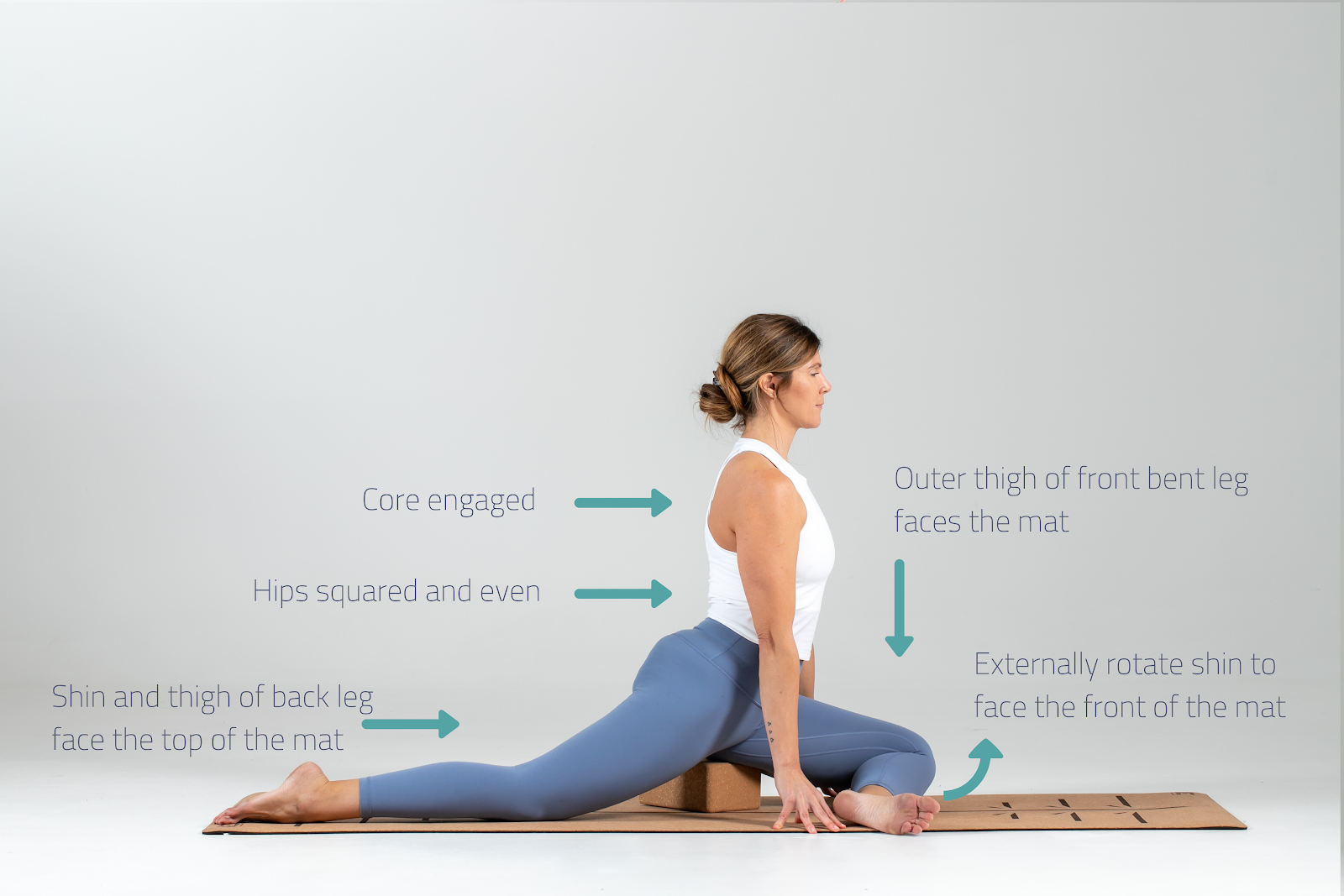
2. Eka Pada Rajakapotasana (Pigeon Pose)
Pigeon Pose is the gold standard for deep hip opening, particularly targeting the external rotators and glutes.
How to Practice:
- From Downward Dog, bring right knee behind right wrist
- Extend left leg straight back, hips square to the mat
- Walk hands forward for a forward fold variation
Benefits: Intensely stretches hip rotators, releases sciatic tension, and stimulates the sacral chakra associated with creativity and emotions.
Pigeon Pose — the ultimate deep hip stretch for releasing stored tension.
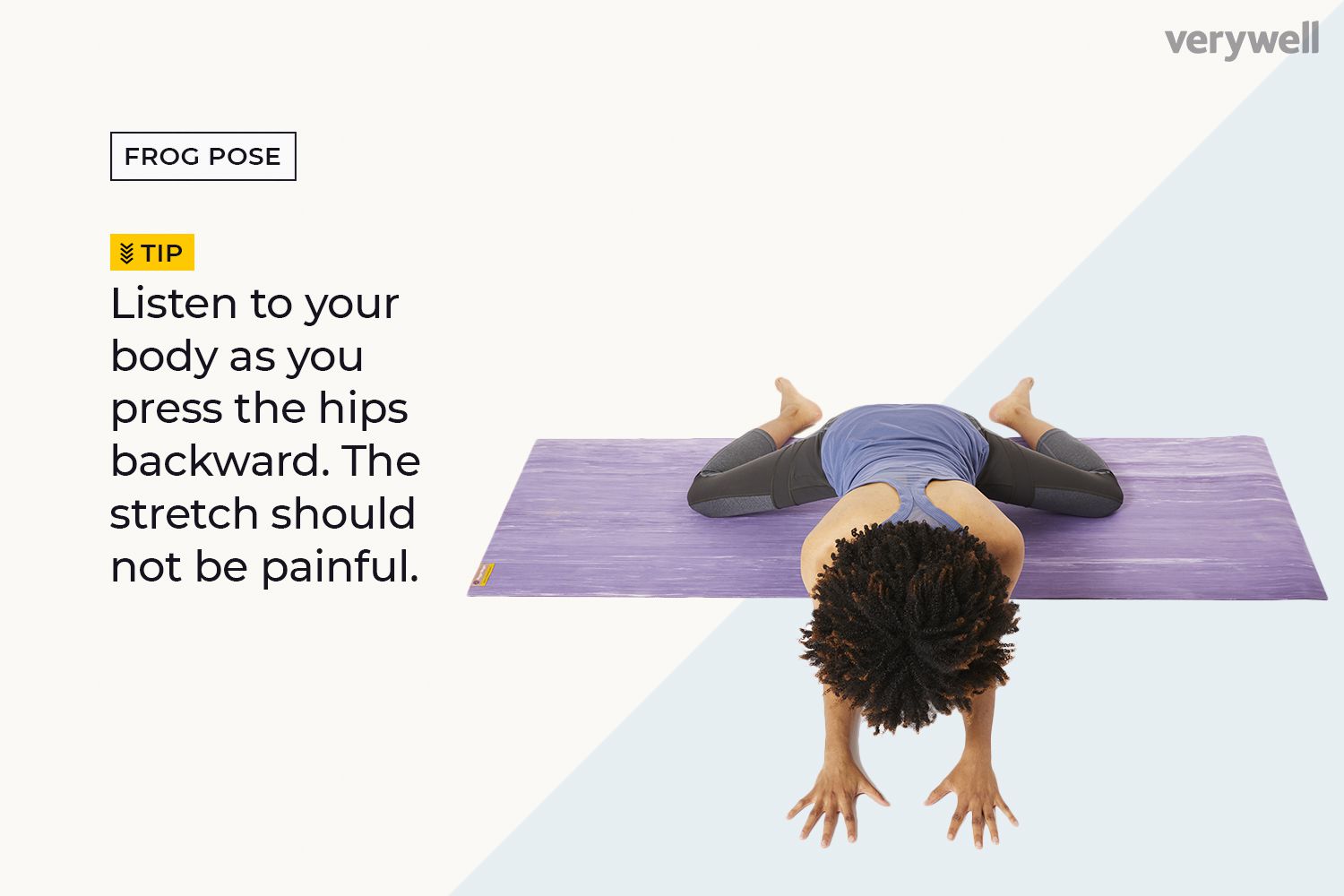
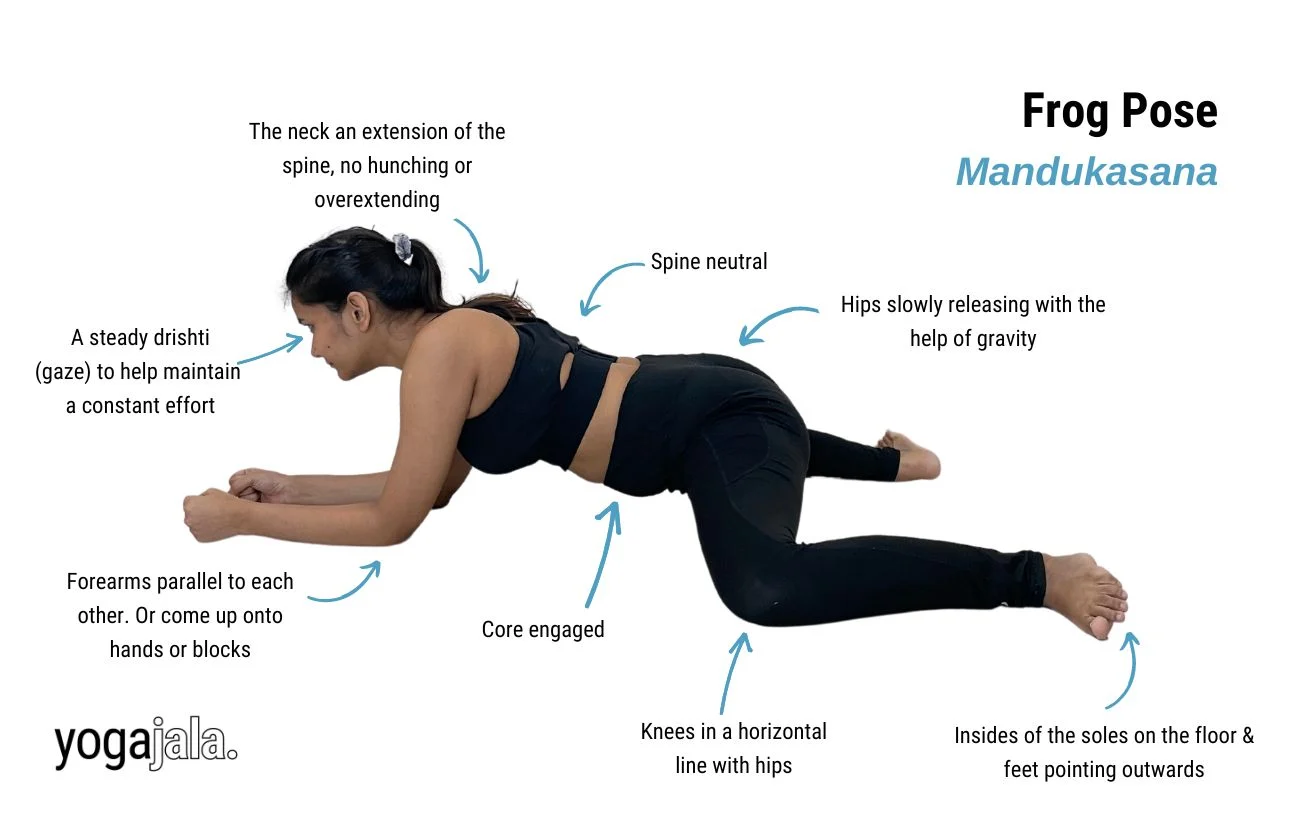
3. Mandukasana (Frog Pose)
Frog Pose is an advanced hip opener that targets the adductors and groin with gravity-assisted depth.
How to Practice:
- Start on hands and knees, widen knees as far as comfortable
- Align ankles with knees, feet flexed outward
- Lower onto forearms, breathing deeply into the inner thigh stretch
Benefits: Dramatically increases hip flexibility, prepares the body for full splits, and releases deep-seated tension in the groin.
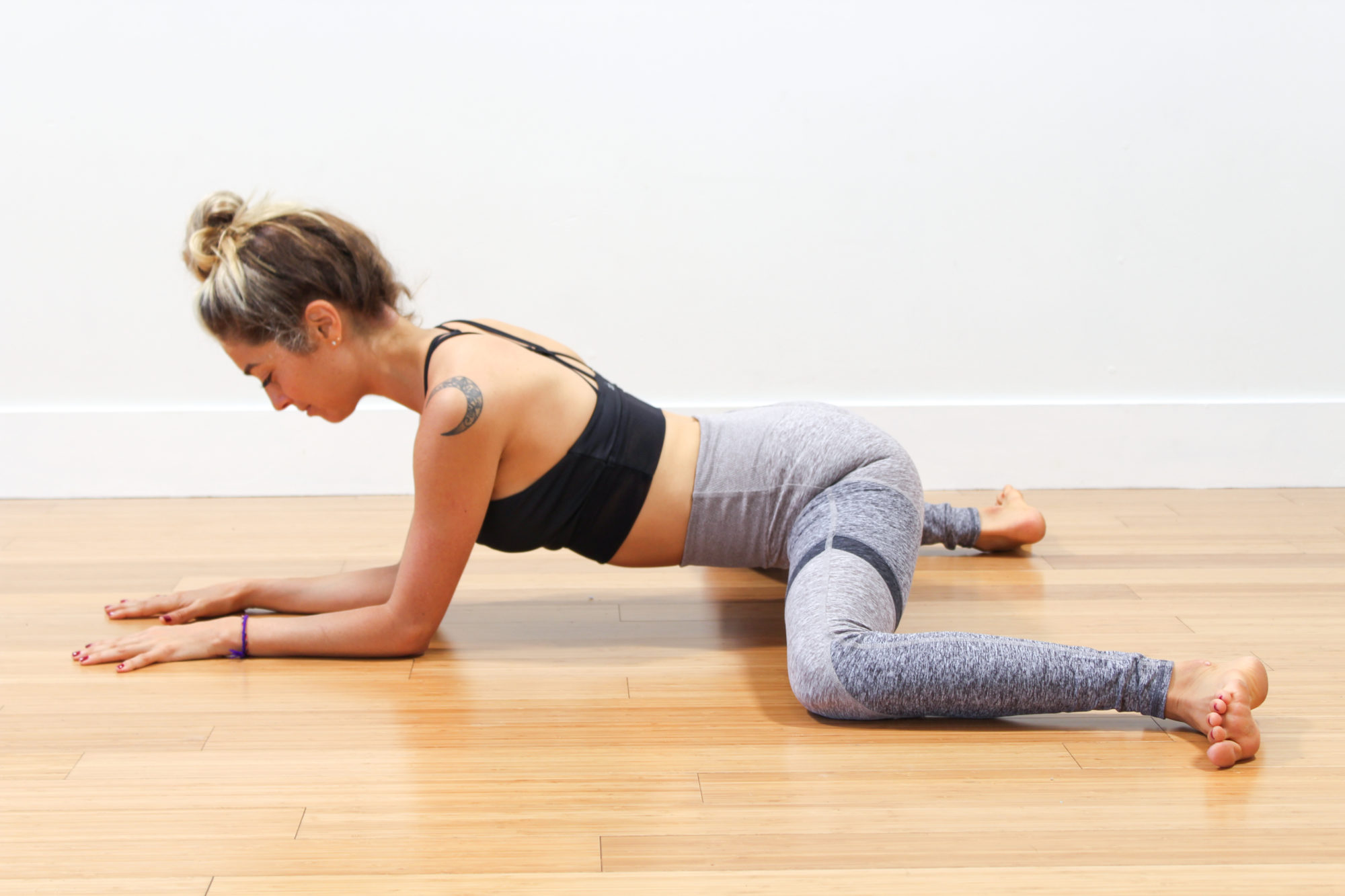
Frog Pose (Mandukasana) — a powerful gravity-assisted hip opener for advanced practitioners.
4. Anjaneyasana (Low Lunge)
This dynamic pose stretches the hip flexors — the muscles most damaged by sitting.
How to Practice:
- Step right foot forward, lower left knee to mat
- Stack right knee over ankle, lift chest, reach arms overhead
- Sink hips forward to deepen the front hip stretch
Benefits: Opens tight hip flexors, strengthens legs, improves posture, and energizes the entire body.
5. Gomukhasana (Cow Face Pose) Legs
The leg position of Cow Face Pose provides an intense external hip rotation stretch.
How to Practice:
- Stack right knee directly over left knee, sitting between heels
- Keep both sit bones grounded, walk hands back to sit tall
- Switch sides after 1-2 minutes
Benefits: Deeply opens outer hips, stretches piriformis, and improves hip joint mobility.
6. Upavistha Konasana (Wide-Angle Seated Forward Fold)
This pose opens the entire inner leg line while calming the nervous system.
How to Practice:
- Sit with legs extended wide in a V-shape
- Flex feet, lengthen spine, and fold forward from hips
- Use props under hands or forehead for support
Benefits: Stretches hamstrings and adductors simultaneously, stimulates the kidneys, and soothes the mind.
7. Supta Baddha Konasana (Reclining Butterfly Pose)
A restorative hip opener perfect for ending any practice or unwinding before bed.
How to Practice:
- Lie on your back, soles of feet together, knees fall open
- Place blocks or pillows under knees for support
- Rest arms by your sides, palms up, and breathe deeply for 5-10 minutes
Benefits: Gentle passive opening, reduces anxiety, improves sleep, and allows emotional release without strain.
The Emotional Side of Hip Opening Yoga
In yoga philosophy, the hips are associated with the svadhisthana (sacral) chakra — the energy center governing emotions, creativity, and relationships. Many practitioners report unexpected emotional releases during hip opening: tears, laughter, or profound relaxation. This is completely normal. The psoas muscle, which connects the spine to the legs, is often called the “muscle of the soul” because it contracts in response to stress and trauma. Hip opening yoga provides a safe space for these stored emotions to surface and dissipate.
Tips for Safe & Effective Hip Opening
- Never force a stretch. Hip joints are complex — aggressive stretching can cause injury
- Hold poses longer. Yin-style holds of 2-5 minutes allow fascia to release
- Use props. Blocks, bolsters, and straps make poses accessible to all bodies
- Breathe into tension. Exhale consciously into tight areas to invite release
- Warm up first. Gentle Sun Salutations or walking prepare the hips for deeper work
- Practice consistently. 10 minutes daily yields better results than one intense session weekly
Frequently Asked Questions (Q&A)
Q1: Why do my hips feel so tight even though I exercise regularly?
A: Tight hips often result from prolonged sitting, not lack of exercise. When you sit, your hip flexors shorten and your glutes deactivate. Even active individuals who run or lift weights may have tight hips if they don’t specifically target hip mobility. Running, cycling, and weight training can actually tighten hip flexors further without complementary stretching. Hip opening yoga counteracts this by lengthening shortened muscles and restoring full range of motion.
Q2: How long should I hold hip opening poses?
A: It depends on your style. In vinyasa or hatha yoga, hold active poses for 5-10 breaths (30-60 seconds). In yin yoga, which is ideal for deep hip opening, hold passive poses for 2-5 minutes. The longer holds allow fascia and connective tissue to release, not just muscles. Beginners should start with shorter holds and gradually increase duration as comfort grows.
Q3: Is hip opening yoga safe for beginners?
A: Absolutely — when practiced mindfully. Beginners should start with gentle poses like Butterfly, Reclining Butterfly, and supported Pigeon (using blocks under the hip). Avoid deep poses like Frog until you have built foundational flexibility. Always listen to your body: a stretch should feel intense but never painful. Sharp or shooting pain means you have gone too far. Consider working with a qualified instructor to learn proper alignment.
Q4: Can hip opening yoga help with lower back pain?
A: Yes, often significantly. Tight hip flexors pull the pelvis into an anterior tilt, which compresses the lumbar spine and causes lower back pain. By releasing the hip flexors and restoring pelvic neutrality, hip opening yoga can alleviate this common source of back discomfort. However, if your back pain stems from disc issues or other spinal conditions, consult a healthcare provider before beginning any new practice.
Q5: How often should I practice hip opening yoga?
A: For best results, practice hip-focused sequences 3-4 times per week. Even 15-20 minutes is sufficient. Daily practice is ideal if you sit for long hours. Consistency matters more than intensity. Many practitioners find that a short hip opening routine before bed dramatically improves sleep quality and morning mobility.
Q6: Why do I feel emotional during or after hip opening poses?
A: This is a well-documented phenomenon. The psoas muscle and hip region are connected to the sympathetic nervous system (fight-or-flight response). Chronic stress causes these muscles to contract and store tension. When you release them through yoga, stored emotional energy can surface as tears, laughter, or deep relaxation. Embrace this as part of the healing process. Create a safe, quiet space for your practice and allow whatever arises to move through you.
Q7: What is the best time of day for hip opening yoga?
A:Evening or before bed is ideal. Your body is warmer and more pliable later in the day, and hip opening helps release the physical and mental tension accumulated throughout the day. However, a brief morning hip routine (5-10 minutes) can also be beneficial for setting up proper posture and mobility for the day ahead. Avoid deep hip work immediately upon waking when muscles are cold and stiff.
Q8: Can men benefit from hip opening yoga?
A: Men often benefit even more than women, as they typically have tighter hips due to less natural flexibility and often more sitting in work environments. Hip opening improves athletic performance, reduces injury risk in sports, enhances sexual health, and counteracts the stiffness that comes with aging. The myth that yoga is “for women” is outdated — hip mobility is essential for every body.
Conclusion: Open Your Hips, Transform Your Life
Hip opening yoga is far more than a physical practice — it is a pathway to greater ease, emotional balance, and whole-body health. In a world that keeps us seated and stressed, dedicating time to hip mobility is an act of radical self-care.
Start with just one or two poses from this guide. Breathe deeply. Be patient with your body. Over time, you will discover that as your hips open, so does your capacity for joy, creativity, and freedom.
Roll out your mat. Your hips are waiting.